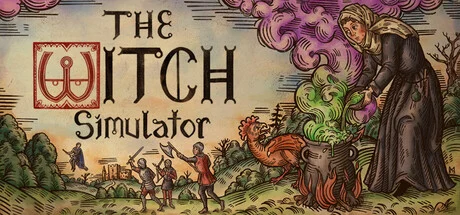
The Witch Simulator: The Solo-Built Co-op Life Sim Where Magic Must Hide From the Inquisition
A cosy potion-brewing sim on the surface, a story about oppression underneath: Altus Ludus explains how one developer is building both.
Most life sims ask players to fit in. The Witch Simulator asks them to fit in while hiding something that could get them killed. Its witches forage, brew and sell potions to a medieval village, and the moment an Inquisition patrol knocks on the door, every trace of magic has to vanish with a snap of the fingers.
That premise would be enough to make the game stand out on a crowded wishlist page, but what makes it more than a cosy curiosity is how it came about. The Witch Simulator is built by one developer, Mateja of Altus Ludus, in the late evenings after a full-time job in software development. It grew out of two earlier projects he could not finish, and it carries a theme he connects directly to growing up in Serbia: oppression, and the idea that it can be beaten when people come together.
We asked Mateja about the game’s origins, its fluid-driven spell system, co-op failure states, and how a solo developer handles the parts of production he cannot do himself.
Developer: Altus Ludus (Mateja, solo developer; self-published)
Location: Belgrade, Serbia
Release: Q2 2027 (Steam)
Price: Not yet announced
Platforms: PC (Windows, Steam); solo or 1–4 player online co-op
What Is The Witch Simulator?
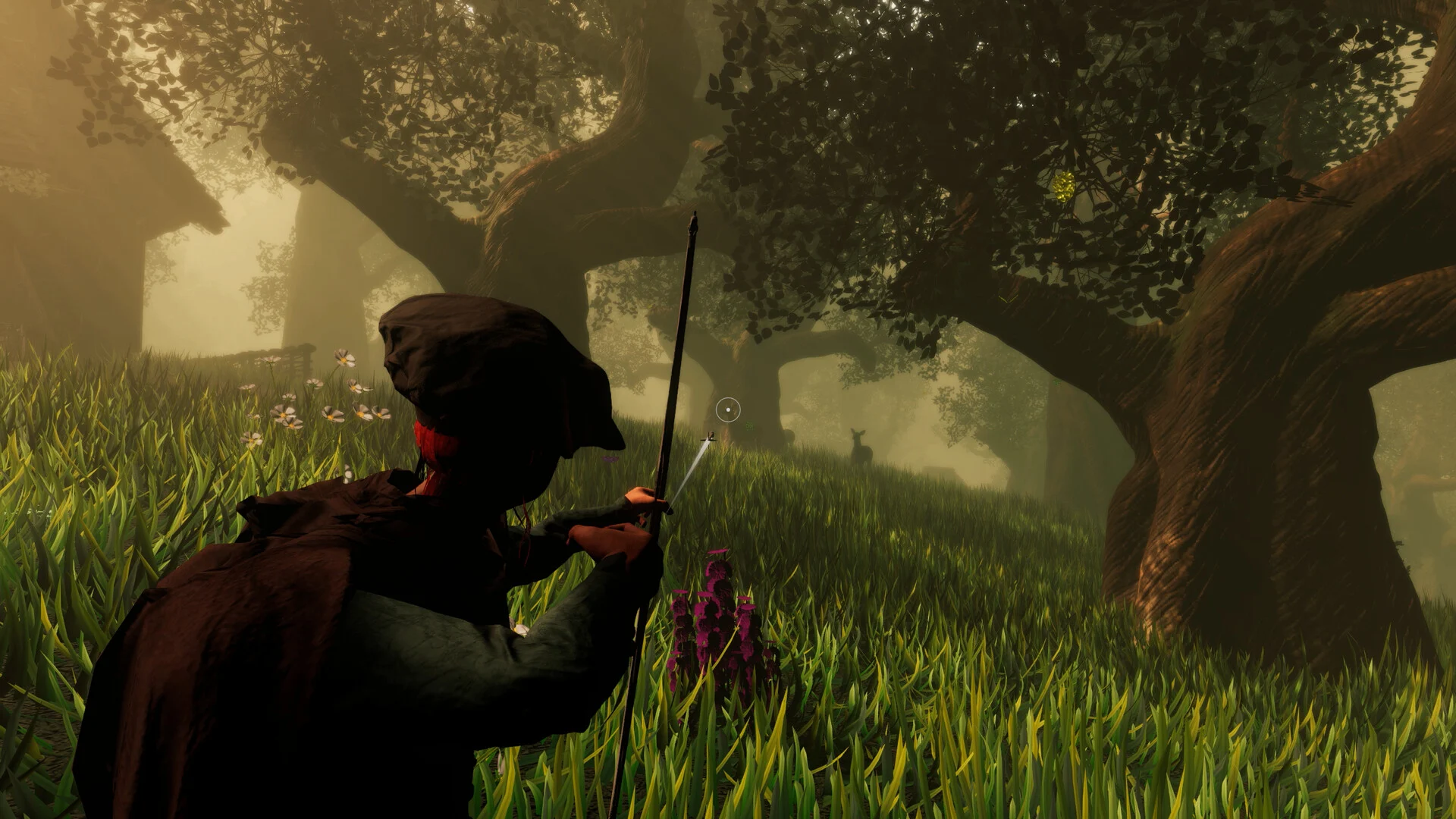
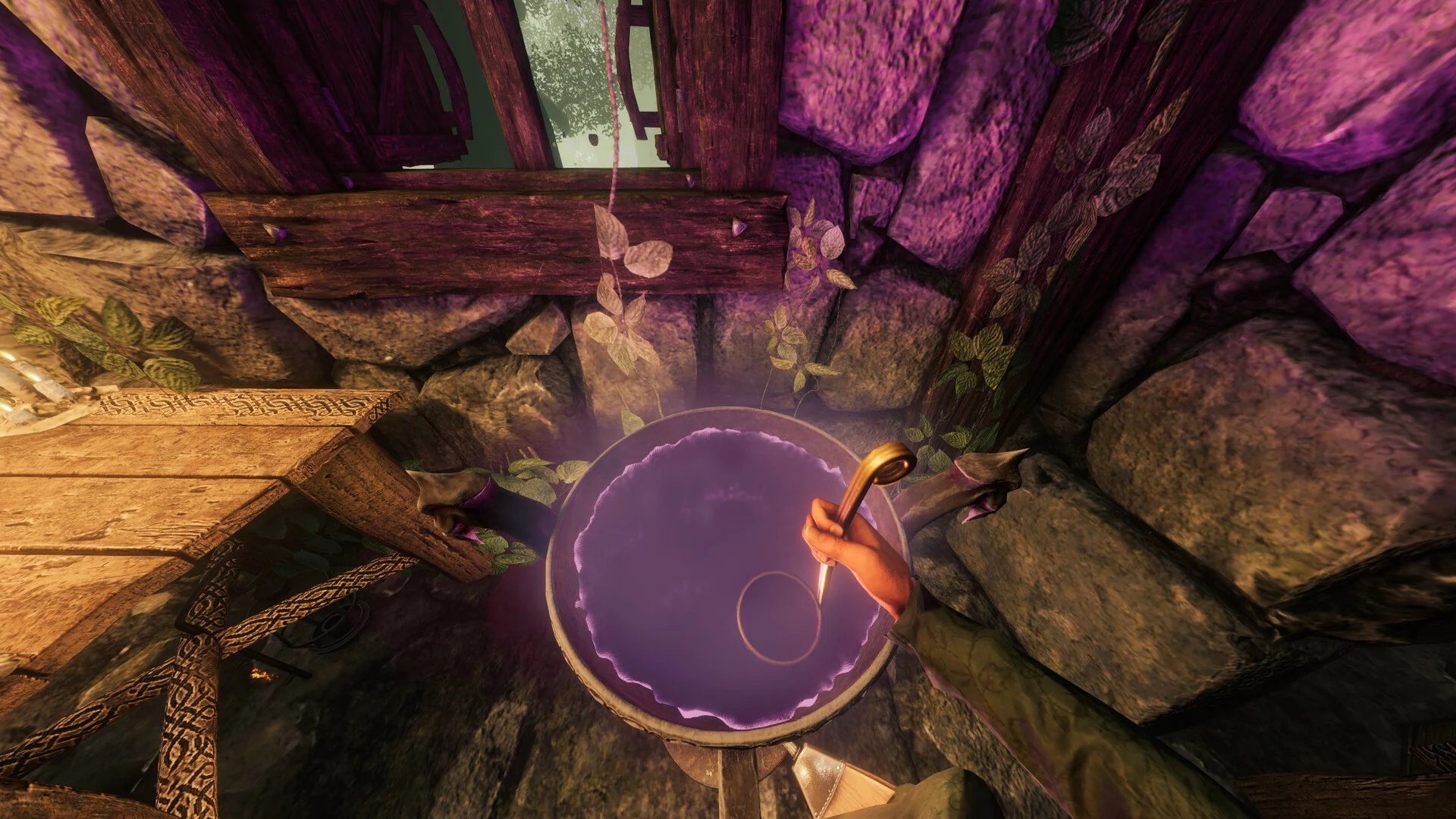
According to its Steam page, The Witch Simulator is “a fantasy simulation game about the life of witches living in a medieval fantasy world where the Inquisition fights against witchcraft.” Players explore forests, caves and mountains, learn recipes, forage for plants and fight dangerous creatures to collect rare ingredients, then brew potions to meet villagers’ needs. Completing quests, defending the village and earning reputation gradually builds support to overturn the Inquisition and, ultimately, the Grand Inquisitor.
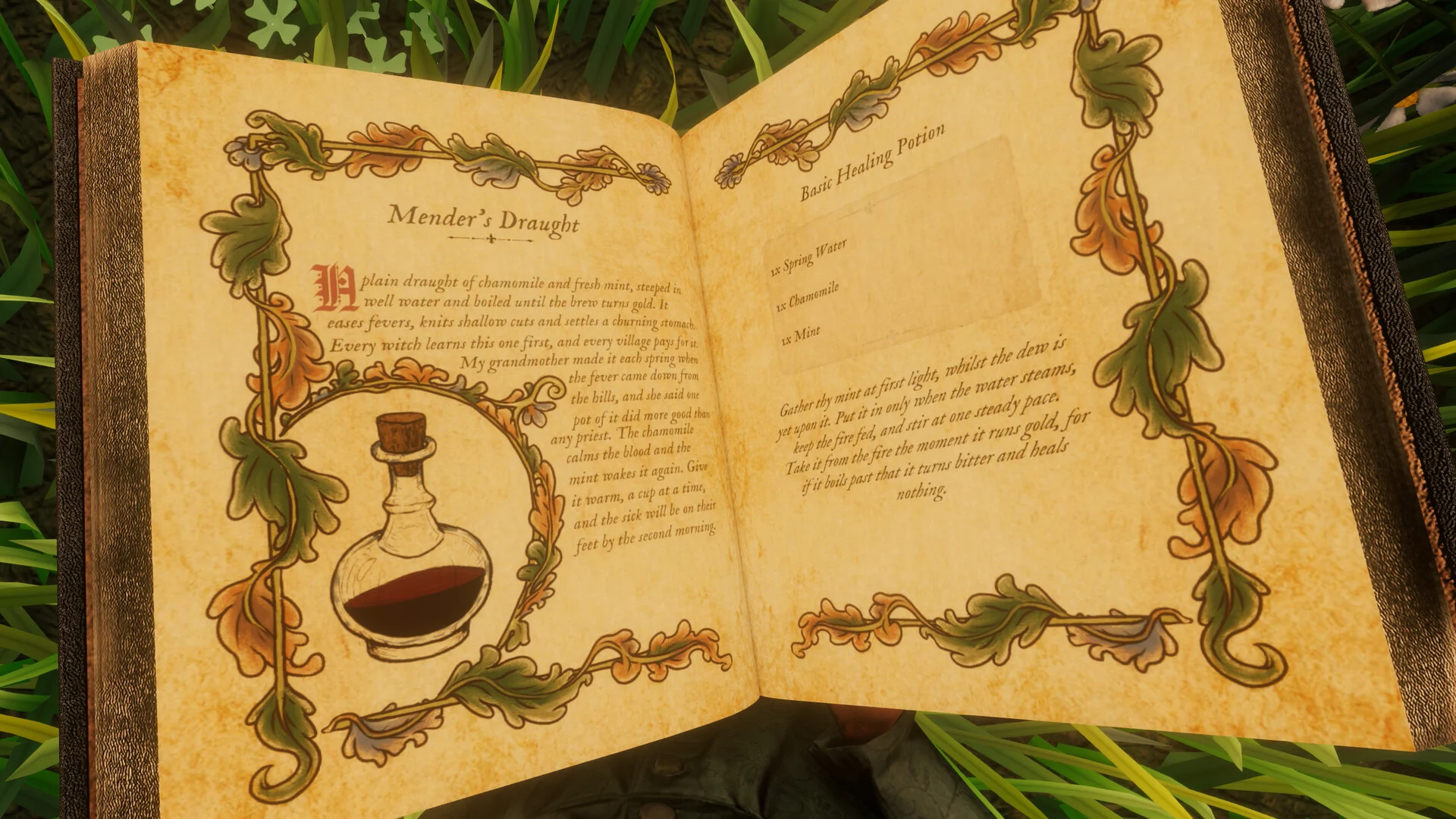
The store page lists a fluid-based elemental spell system, broom flight and combat, a market stall where players can haggle, scam and sell, a day/night cycle, full controller support, and Inquisition raids that force players to hide their magic. The game can be played solo or with up to three friends, with built-in voice chat.
There is a moral layer as well. Steam’s description invites players to “be honest, have fair prices and they will love you, or be an evil witch and trick your way to riches.” For casual players, the appeal is the daily rhythm of gathering, brewing and selling. For more systems-minded players, the spell simulation and the tension of hiding magic in plain sight are the more distinctive parts.
The Interview
Iron Bridge Games: How did The Witch Simulator begin, and why witches hiding from an Inquisition?
Mateja (Altus Ludus): As everyone does, I worked on a really overscoped ARPG about a world where magic has been outlawed, and you were the one restoring it and reclaiming the kingdom. After realizing it was going to take too long, I scaled down and worked on something personal to me, Balkan Developer Simulator: a life sim about the experience of living in an oppressed, poor country and trying to make it. But I couldn’t find the fun in the gameplay loop, even though elements of it were fun.
Then came The Witch Simulator. It’s kind of the marriage of the first two projects: a story about oppression in a magical world that you can restore, but expressed in a life sim format, so I can actually execute the game alone and have a bit more fun.
Why witches hiding from an Inquisition? It’s a good question. Being Serbian, oppression is something we’ve been dealing with since I was born. The theme is that oppression can always be beaten when people group and come together. I’m a hopeful optimist about that topic, and it looks like I’m right: Serbia as of yesterday is a free country because we came together.
Editor’s note: The political views in this answer are the developer’s own and do not represent Iron Bridge Games.
Iron Bridge Games: In co-op, what happens when the Inquisition catches one of your coven?
Mateja (Altus Ludus): If your friend is captured, you can attempt to save them by either tricking the guards or executing them. If they’re taken, the whole coven has failed and you’ve been caught, so your day restarts.
Iron Bridge Games: The spells are built on a fluid simulation. How does that work?
Mateja (Altus Ludus): Every player walks around with an invisible pool around them. When you cast a spell, the game doesn’t play a pre-made effect. It injects a jet of fluid into the pool at a specific point and direction, and the simulation decides what happens next.
Iron Bridge Games: You come from software development. Have you left it to make games full-time?
Mateja (Altus Ludus): I didn’t leave software development. I’m actually still working full-time, and I spend the late evenings hacking away at The Witch Simulator. Maybe one day.
Iron Bridge Games: You’re building the game alone. How do you handle the parts you can’t do yourself?
Mateja (Altus Ludus): I work on the game by myself, but there are some things I’m not great at. I can do game design, systems engineering, juice, gameplay, UI, level design and so on, but when it comes to modelling and music, I just don’t have it. For that I rely on contracts I find on ArtStation and Reddit. The internet is a dark place where you have to trust random strangers, so I vet the artist thoroughly and start with a small project. If everything goes smoothly, we proceed, and so far everyone has been amazing.
Iron Bridge Games: What should players expect from the demo?
Mateja (Altus Ludus): Players should expect a polished experience of the first few days of being a witch. A lot of the content and features will be left for the full release, but you’ll still have a lot of fun in the demo and a taste of the medieval witch experience.
Why This Matters in 2026
The developer’s answers point to a production model that is increasingly common, and increasingly legible, in small-team development. Mateja describes scoping down twice before arriving at a project one person could finish, then contracting out only the disciplines he names as gaps, modelling and music, while keeping design, engineering, UI and level design in his own hands. His vetting process, starting each contractor on a small job before committing, is a practical answer to a problem many solo developers face.
The spell system is the most structural part of the design. Instead of triggering pre-made effects, spells inject fluid into a simulated pool around each player and let the simulation resolve the result. On paper, that makes magic systemic rather than decorative, which matters in a game where several players can cast at once.
The co-op rules are also worth noting. A captured friend can be rescued by trickery or force, but a failed rescue restarts the day for the whole coven. That ties the game’s theme, people standing together against oppression, directly to its failure state.
The Steam page currently lists a Q2 2027 release, and Mateja confirmed a demo is coming. A launch-announcement report by Techmash in October said a free demo is planned for Steam Next Fest in February 2027; Altus Ludus did not give us a date for it, so that timing should be treated as reported rather than confirmed here.
For readers in the wider region, The Witch Simulator is also a Balkan story. It is a self-published debut from a Belgrade studio, built around a theme its developer ties to his own country’s experience, and localised into English plus twelve other languages on Steam, including Russian.