Lizard Slayer: The Ironic Slavic Doom-Like That Takes Its Folklore Seriously
A hero named Vodkodav, an invasion of ancient lizards, and a publisher that says the joke is only the front door.
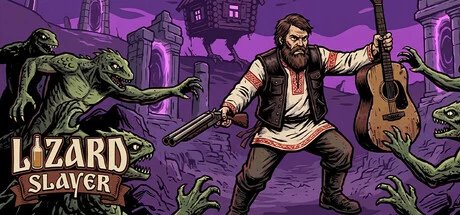
Slavic folklore has become one of the most recognisable visual languages in indie games, and much of it now arrives with a wink. Lizard Slayer looks, at first glance, like the purest version of that trend: a hero named Vodkodav, an invasion of ancient lizards, and a supporting cast that includes the Leshy, Kolobok and Baba Yaga. The interesting part is that the people behind it insist the joke is only the front door.
The game is published by Gamesforfarm, a Russian label best known for humour-led titles such as the Memology series, and developed together with the team Obscure Endeavor. According to the publisher, the title is deliberately ironic, but the treatment of folklore underneath it is not. That distinction matters, because it turns a small pixel shooter into a useful case study in how CIS publishers try to win attention on Steam: lead with a hook that travels, then build something more personal behind it.
We spoke with Krox of Gamesforfarm during Steam Next Fest in October about the character, the genre label, and what changes between the demo and the full release.
Developer: Obscure Endeavor and Gamesforfarm
Publisher: Gamesforfarm
Location: Russia (Gamesforfarm’s registered business address is in Innopolis, Tatarstan)
Release: November 20, 2026 (Steam)
Price: Not yet announced
Platforms: PC (Windows, Steam); English and Russian with full audio
What Is Lizard Slayer?
Steam describes Lizard Slayer as “a pixelated adventure doom-like RPG set in Slavic mythology.” The protagonist, Vodkodav, is a legendary warrior who must stop an invasion of ancient lizards that are corrupting nature and stealing souls. The journey runs through forests, villages and temples, where the player meets figures from Slavic tales and fights lizard-like creatures with what the store page calls “the finest guns in Rus'” and a magical potion.
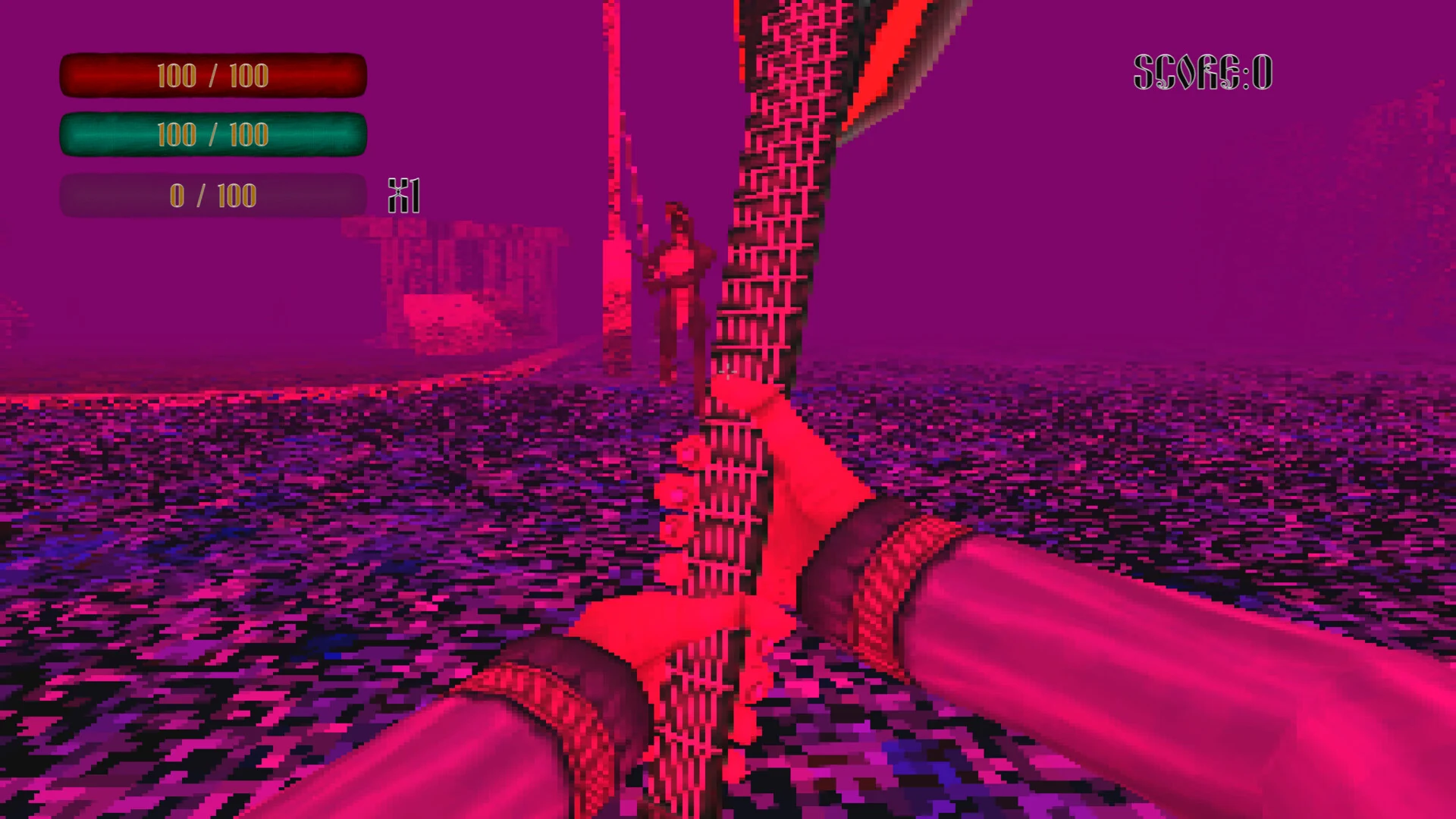
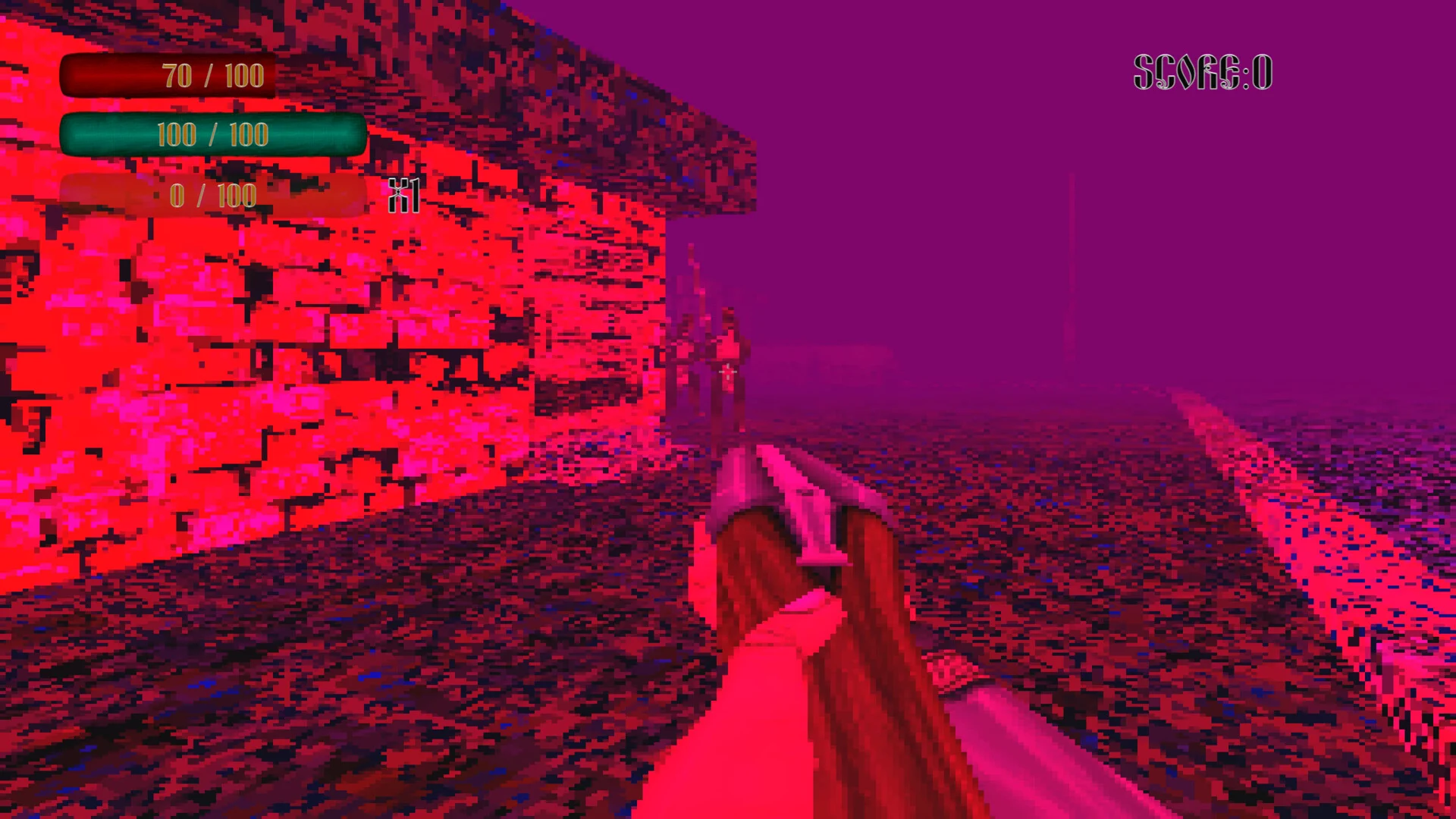
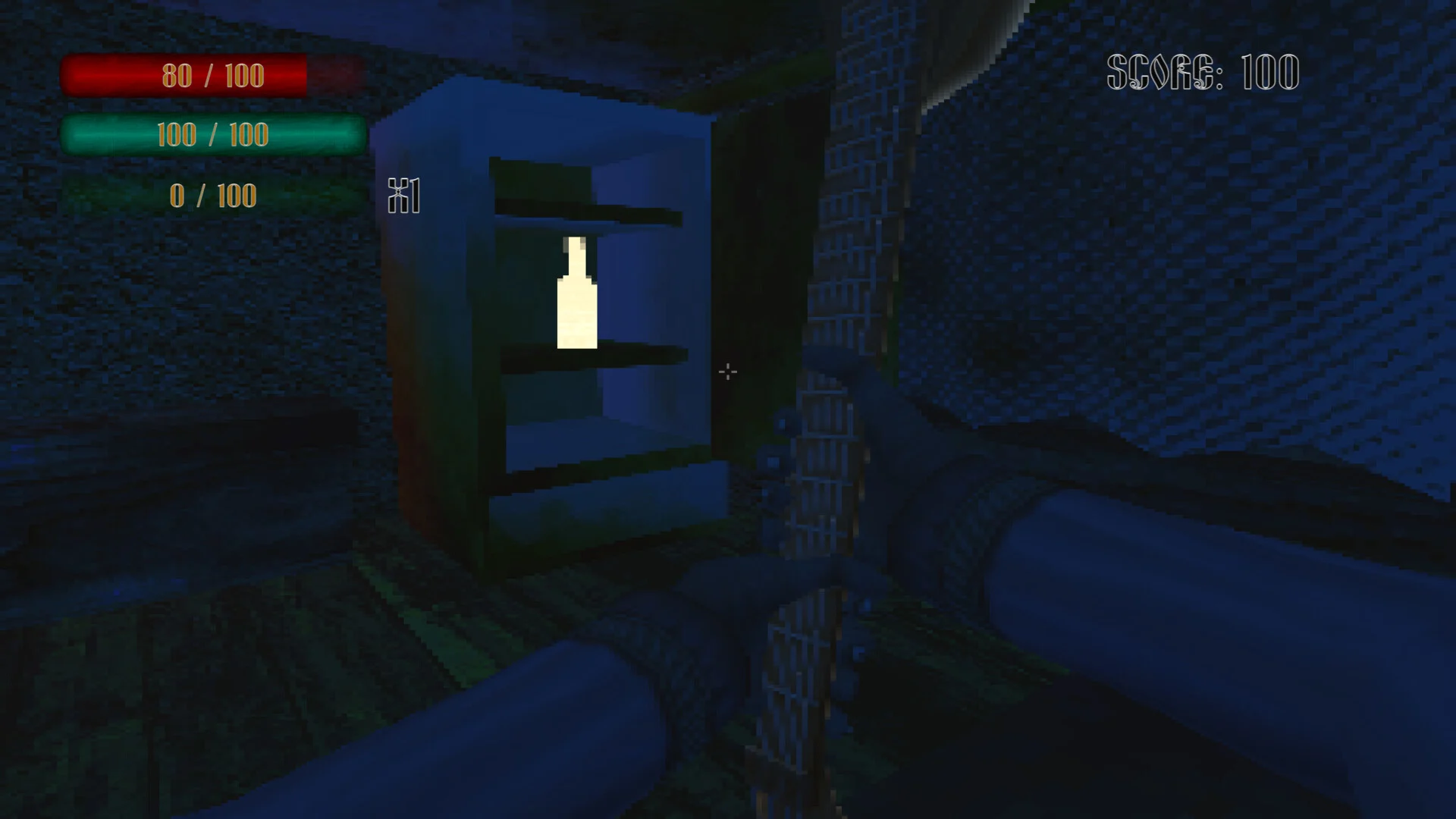
The screenshots show a first-person shooter with deliberately crunchy, low-resolution textures, heavy colour washes and a classic three-bar HUD for health, stamina and a third resource. The system requirements are modest by any standard: 1 GB of RAM, integrated graphics and 200 MB of storage. On paper, this is a short, retro-styled shooter built to run almost anywhere.
For players, the hook is the collision of old-school shooter pacing with characters most Western audiences know only from fairy-tale collections. For developers and publishers, the more interesting point is the structure of the project itself: a publisher with a large catalogue of quick, joke-driven releases backing a team whose stated goal is cultural rather than comedic.
Per the Steam page’s AI disclosure, the game contains art assets generated by artificial intelligence. A free demo is available on Steam ahead of launch.
The Interview
Iron Bridge Games: Who is Vodkodav, and where did the character come from?
Krox (Gamesforfarm): Vodkodav is a character born purely out of an ironic combination of Volkodav, a notable figure of Slavic mythology, and vodka, an equally notable figure of the Slavic people. Put those two concepts together and you get Vodkodav: as Slavic as it gets, ironic and tough, a character we hope everyone will like, not only Slavs.
At the same time, the name has a second meaning. Around the world, and here too, the problem of alcoholism gets mocked in different ways. We have a stock phrase for it, a synonym for “boozing,” “getting hammered” or “drinking heavily”: vodku davit, literally “to squeeze vodka.”
Translator’s note: Volkodav means “wolfhound” and is also the name of a well-known Slavic fantasy hero. Vodkodav swaps in “vodka” and echoes the slang phrase vodku davit.
Iron Bridge Games: Why a doom-like rather than a classic RPG?
Krox (Gamesforfarm): The doom-like genre has always been associated with drive and sharp, fast movement. We built a small statement into that: in some people’s view, this game has a certain resemblance to the much-loved Doom. An RPG wouldn’t have given us that drive, or let us pay tribute to the games of the “old-school” era. As we see it, this particular subgenre label fits best with shooters whose graphics and other parts of the atmosphere resemble the games of that time.
Iron Bridge Games: How do you treat the folklore: straight or tongue-in-cheek?
Krox (Gamesforfarm): The title, and the first impression in general, is quite ironic in character, to get players interested, but something more important stands behind it. There is no irony in the core idea. We treat folklore with the utmost seriousness. What’s more, our developers at Obscure Endeavor are genuine pagans, and their principled position is to spread their views through games and to motivate people to study their own history and culture.
Iron Bridge Games: How is the work split between Gamesforfarm and Obscure Endeavor?
Krox (Gamesforfarm): The answer already started to show in the previous one. Obscure Endeavor develops the game, and develops it well. Gamesforfarm does everything else: publishing, design (here I mainly mean promotional materials), advertising, marketing, and unconditional support for the developers in all their undertakings and ideas.
Iron Bridge Games: How is this project different from Gamesforfarm’s earlier games?
Krox (Gamesforfarm): We’d say it differs from almost all of them. Our titles often nudge people toward a purchase with humour (the Memology series, for example), but let’s be honest: at that price, there isn’t always content for many hours of play behind them. We have had shooters before, but never one with a specifically folkloric slant. This is a genuinely interesting experience for us.
Iron Bridge Games: When is the release, and what will change from the demo?
Krox (Gamesforfarm): Tentatively, already in mid-November. It’s always hard to pin down exact dates when you’re trying to think a publishing strategy through properly, rather than just “running a conveyor belt of games, as long as it’s fast.” Compared with the demo, the game will definitely change: more locations, more detail, more features and, of course, more drive.
I’ll also lift the curtain a little: if there is interest in the current doom-like, we are planning another installment, this time an autobattler.
What Comes Next
Since the interview, the Steam page has settled on a firm date: Lizard Slayer is listed for release on November 20, 2026, in line with the “mid-November” window Krox gave in October. A price had not been published on the store page at the time of writing. The free demo remains available on Steam.
The follow-up autobattler is, by the publisher’s own framing, conditional on interest in this release. No title, platform or timeline for it has been announced, so it should be read as an intention rather than a confirmed project.
On a broader level, the project illustrates a pattern that is common among smaller CIS publishers. Gamesforfarm’s Steam catalogue is large and largely built around low-priced, humour-first releases; Krox says openly that those games do not always offer many hours of content. Lizard Slayer is positioned as something different within that catalogue: a title whose name is designed to stop a scroll, attached to a developer that describes its motivation in cultural terms.
That hybrid identity is the game’s central hook. For players, the question is whether the folklore holds up beyond the pun in the hero’s name. For developers and publishers watching from outside the region, it is a clear example of how a small team splits the work: one side builds the game, the other handles everything that makes it visible.
Answers were translated from Russian.