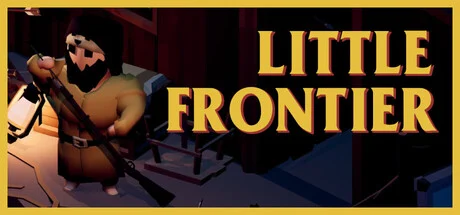
Little Frontier: The Solo-Made 1836 Western Tactics RPG That Refused to Leave Out the Natives
Bosnian solo developer Vedad nearly cut the Native story to avoid backlash. Instead, he built his mountain-man tactics RPG around it.
Most historical games return to the same few places: the castle, the trench, the beach in Normandy. Little Frontier goes somewhere far less crowded. It is set in 1836, in the last years of the Rocky Mountain fur trade, when the trappers, traders and Native nations of the American West were living through the end of a way of life most of them did not yet see coming.
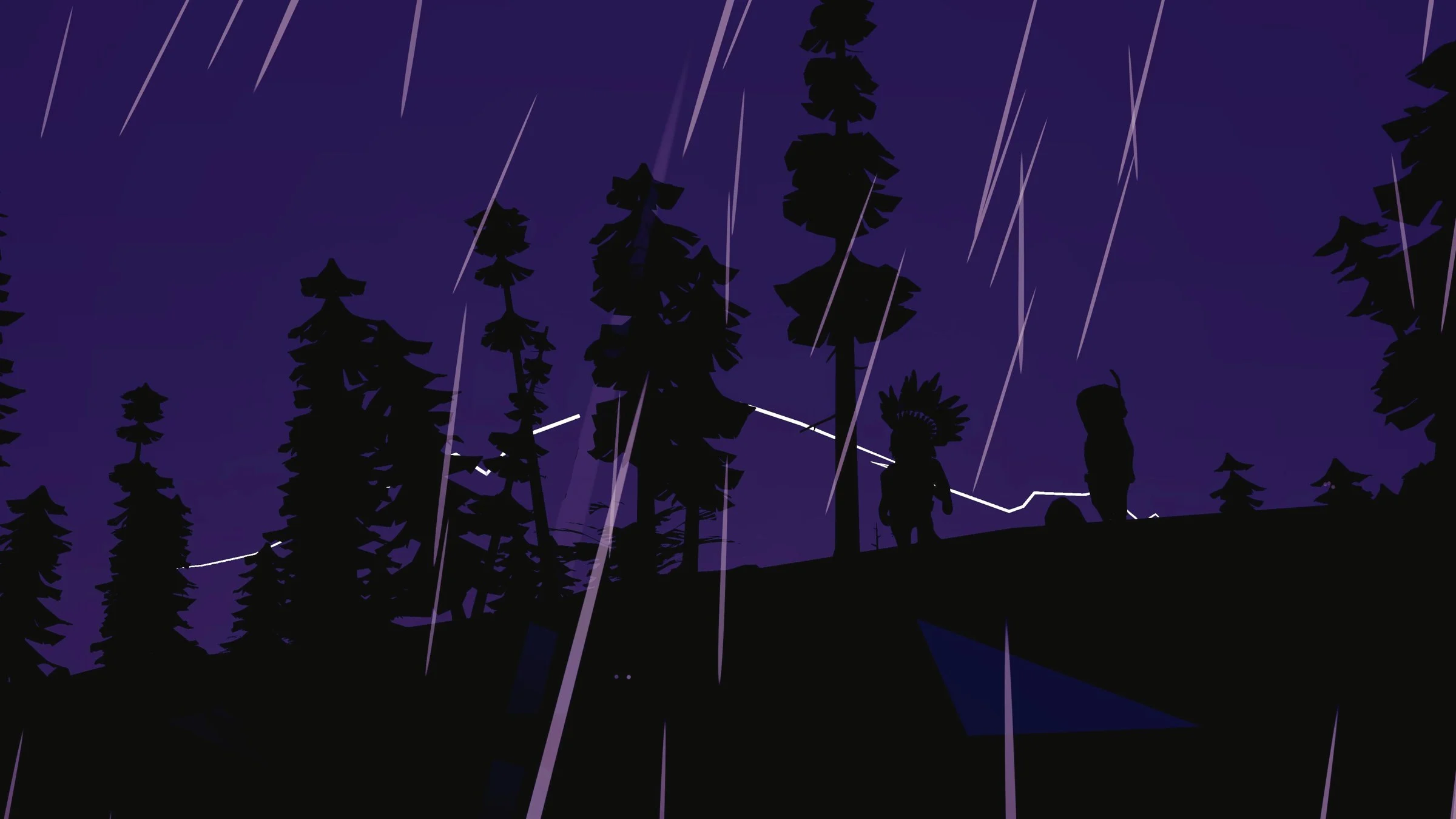
That choice alone makes it stand out. What makes it more than a curiosity is who is making it and how. Little Frontier is a solo project by Vedad, a developer from Bosnia and Herzegovina, who composes the music, designs the art and UI and built most of the models himself. It is a story-driven tactical RPG that borrows from XCOM and from years of running tabletop campaigns, and it takes a deliberate risk by putting a Sioux scout at the centre of its party.
The free demo launched on Steam on October 14, 2026, just ahead of Steam Next Fest. We asked Vedad why he chose this period, how he approached its hardest subject, and what it is like to build an open-world RPG alone.
Developer Spotlight
- Developer: Vedad (solo developer and publisher)
- Location: Bosnia and Herzegovina
- Engine: Unity
- Release: Q1 2027 on Steam; free demo available now
- Price: Not announced
- Platforms: Windows and macOS (Steam)
What Is Little Frontier?
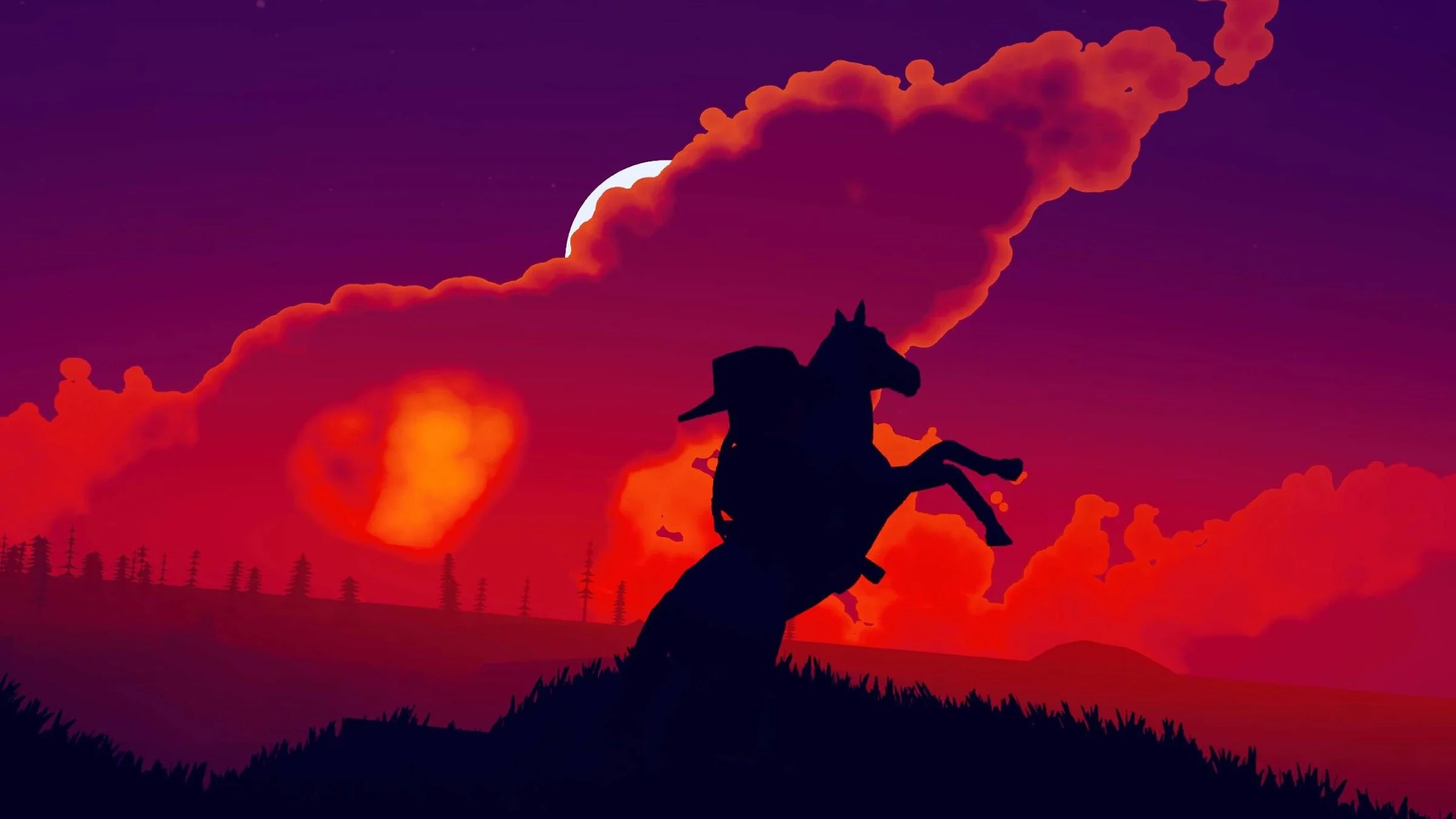
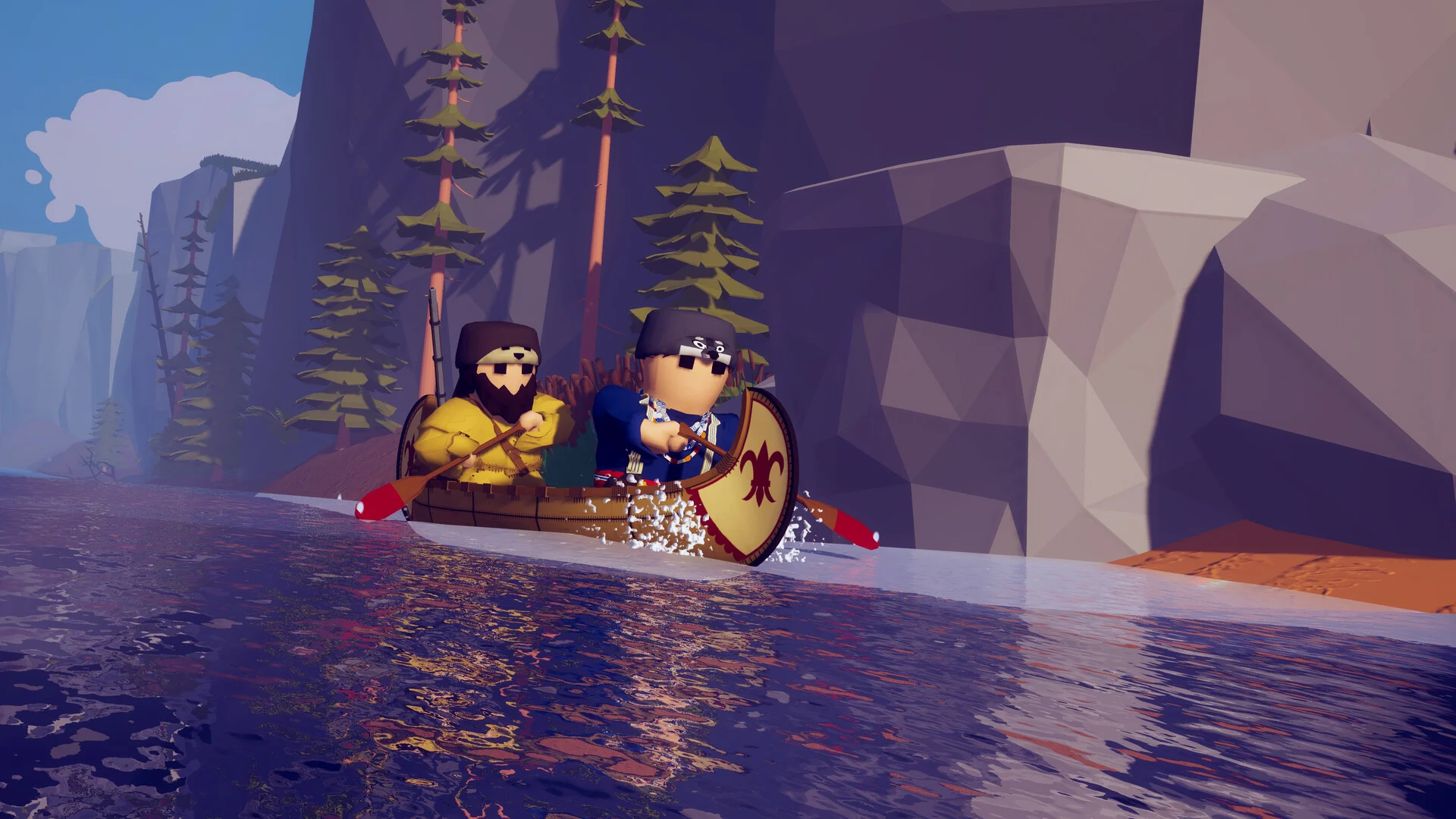
According to the Steam page, Little Frontier is a story-rich Western tactical RPG in which the player leads three mountain men across the American frontier. Bruce is a weathered trapper who has spent a lifetime on the plains. Jack is a restless voyageur driven by an old grudge. Yellow Feather is a watchful hunter, at home in the wilderness. Dialogue and decisions shape how the story unfolds, and the journey can end in more than one way.
Between fights, the party explores in real time on foot, on horseback or by canoe, hunting, making camp and meeting the people holding on at forts and trading posts. The store page frames the setting around a closing window: the open plains are being divided into claims, bought up and fenced, and the land that once seemed endless grows smaller by the day. When danger finds the party, the game shifts into turn-based tactical combat.
The simplest comparison is XCOM-style tactics framed inside a historical Western road story. That hybrid identity is the game’s central hook, and the setting is what gives it weight.
The Interview
Iron Bridge Games: Why 1836 and the end of the fur trade, and how much historical research went into the setting?
Vedad: I’m a big history nerd, and there are so many settings other than medieval and WW2. I used to watch Westerns with my dad and decided to do the Mountain Men period primarily because of the technology (muskets), the Natives, French traders and so on. It’s such a rich but unexplored period. It’s an evolving world, where the way of life of both the Mountain Men and the Natives was quickly destroyed. Groups that worked together one year brutally murdered each other the next.
Iron Bridge Games: How did you approach writing Yellow Feather and the Native presence on the frontier respectfully?
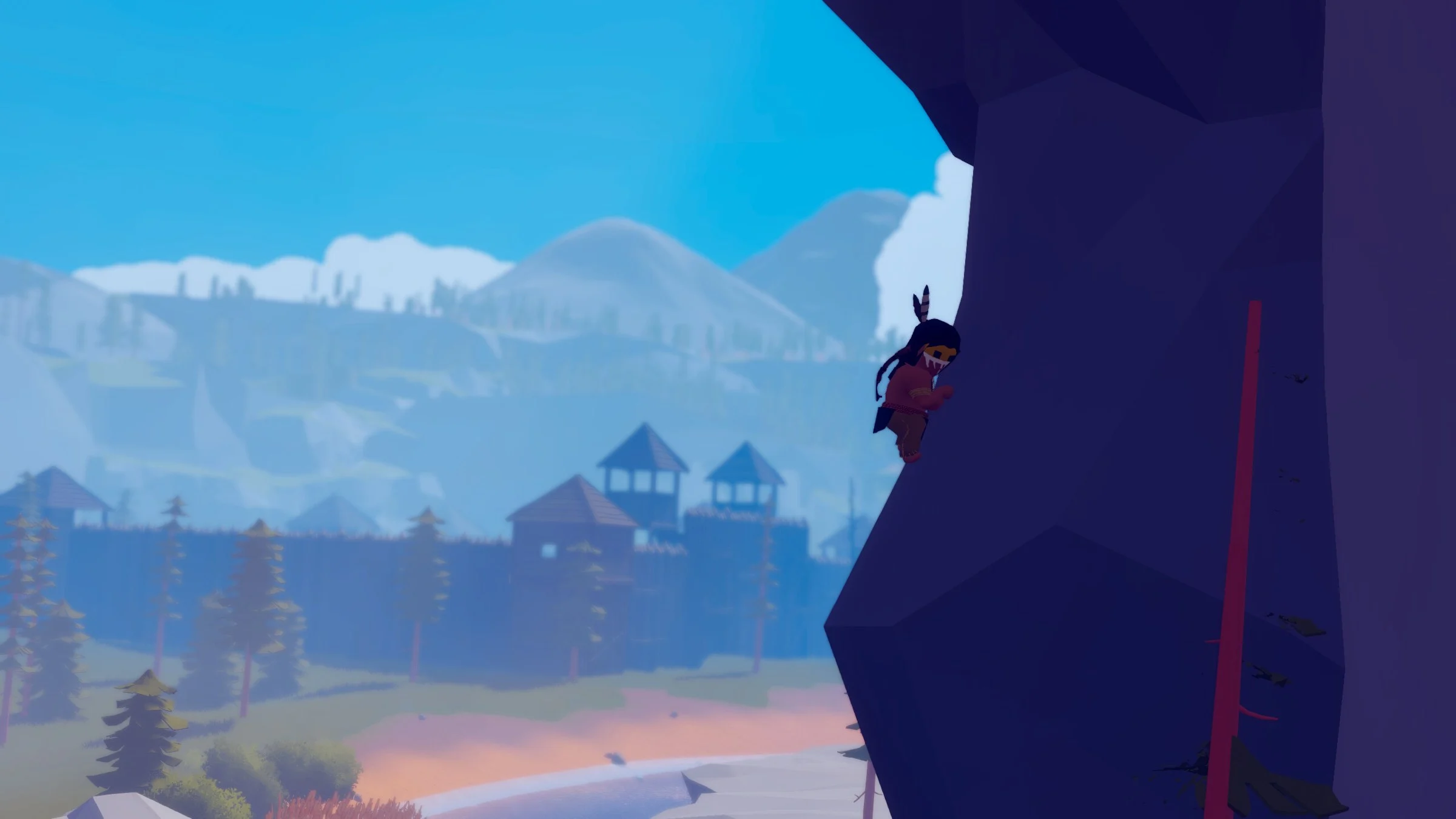
Vedad: As I said, 1836 is such an evolving period, and that’s best reflected in Yellow Feather, a Sioux scout. In a single lifetime, the Americans went from working with the Sioux against other tribes, to slaughtering the buffalo en masse, and eventually to massacring the Sioux themselves. The book Bury My Heart at Wounded Knee alone shaped Yellow Feather’s background.
To be honest, I was on the verge of changing the time period and leaving out the Natives entirely, because of the potential backlash, but I decided against it. I wholeheartedly believe that with a respectful approach, one can tell a touching story that works today. Generally, because of the fear of being cancelled, modern media (especially historical media) has become stale and repetitive. I’m tired of playing the same soldiers and the same characters. I’m doing my best to create something fresh.
Iron Bridge Games: How does the switch from real-time exploration to turn-based combat work, and what tactical games influenced you?
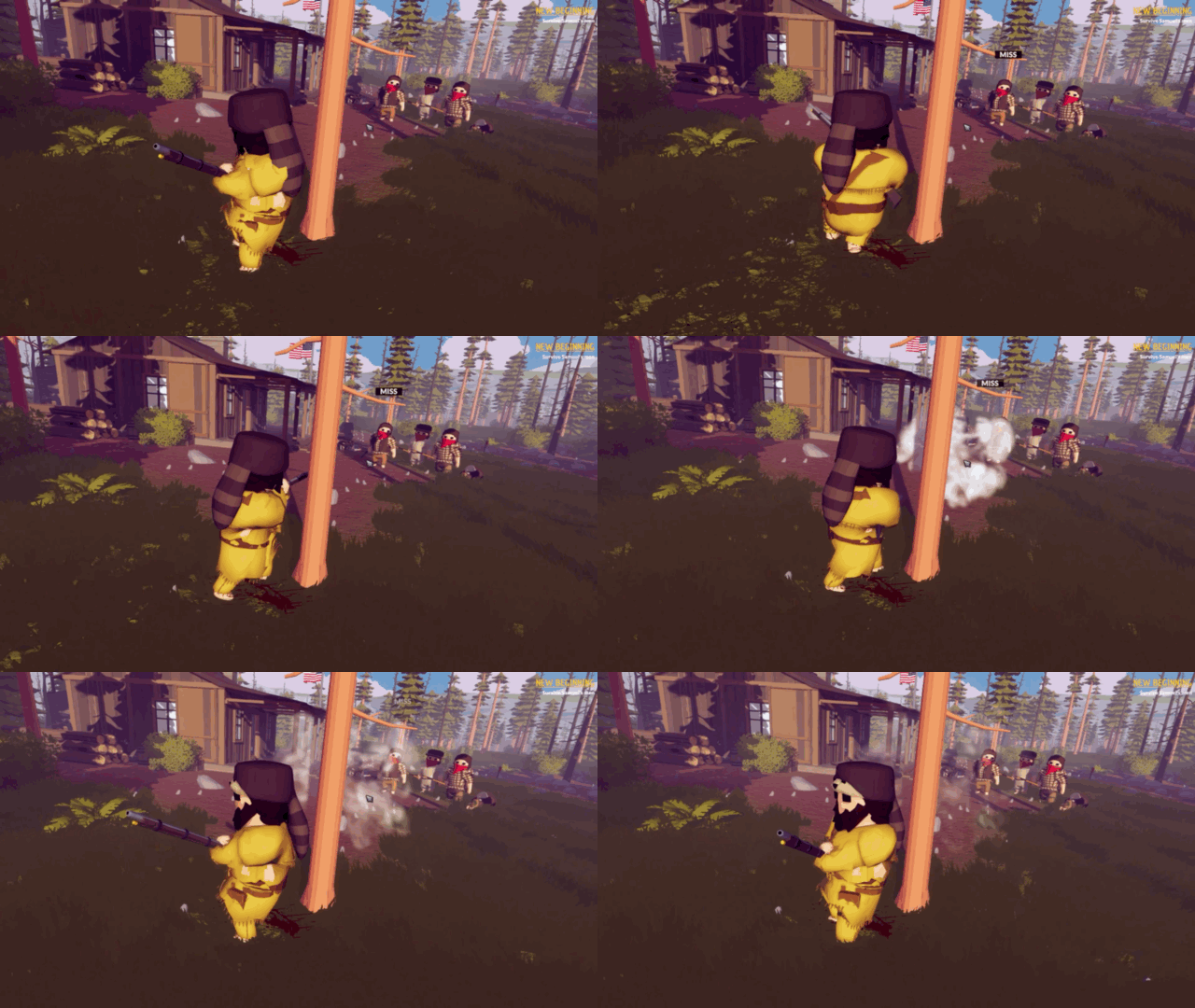
Vedad: The switch is pretty clean. You can explore the world in either top-down or third-person; it’s up to you. Stealth is done in real time, and when the player is spotted, the camera locks to top-down and the classic turn-based tactics mode starts.
The biggest video-game influence is definitely the XCOM series. However, I’ve also been playing tabletop RPGs like D&D and Pathfinder for years, and since I’ve been the forever DM for my group, turn-based tactics and level design came naturally to me.
Iron Bridge Games: You have worked on it alone in Unity for over two years. What has been the hardest part of doing everything yourself?
Vedad: It’s going to sound weird, but honestly? Nothing. I’ve really been enjoying this. I’m not doing this for the money. I’ve always been an artistic type of guy, and game dev was a perfect way for me to express myself. I compose the music, design the art and UI, and made most of the models myself. I’m creating a game that I would like to play, and it’s quite the journey.
But if I were to choose one thing, it’s probably the testing. The game is a story-based, open-world RPG, and I’ve probably played through the demo around 50 times. Luckily, I have good friends that also playtest the game as much as they can.
Iron Bridge Games: What has the Next Fest demo taught you, and what will change before the Q1 2027 release?
Vedad: Next Fest was a nice learning experience. The only change that’s already implemented in the updated demo is the pace. The original start was quite slow, and now it starts with a bang. The missions are more action-packed, while the exploration is meant for you to sit back and relax.
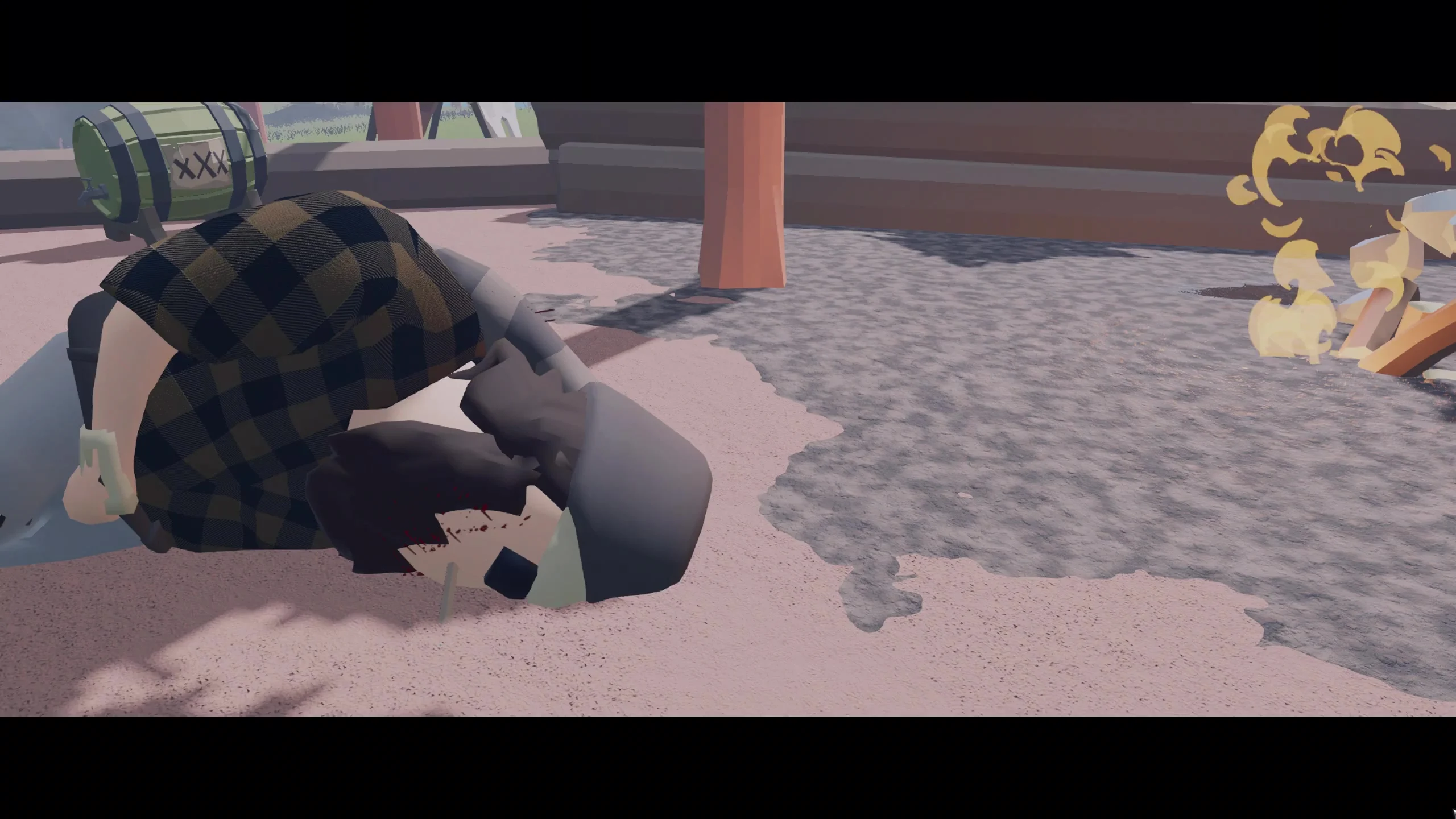
Vedad also shared an exclusive clip of a raid scene with Iron Bridge Games.
Iron Bridge Games: What is it like being a solo developer in Bosnia and Herzegovina, and how much support or community is there for indie games?
Vedad: We are a small, divided country, and at the moment, support is pretty much nonexistent. However, bigger studios seem to be opening, and a lot of cool projects are starting to appear. I’m sure a community will grow in the next couple of years.
What Comes Next
Little Frontier is listed on Steam for Q1 2027, for Windows and macOS. No price has been announced. The free demo is available now, and according to Vedad, the updated version already reflects the main lesson of Next Fest: a faster, more action-heavy opening, with exploration left as the slower, more reflective half of the game.
Larger changes are on the way. In a follow-up message, Vedad said the next update to the game includes character creation and a full combat rework, among other additions. Neither is on the Steam page yet, so both should be read as work in progress rather than confirmed features of the final release.
For players, the appeal is a setting games rarely touch and a structure that splits the difference between slow exploration and tense, readable tactics. For developers and observers of the regional scene, Little Frontier is a useful case study in a different way. It is a one-person project from a country where, in Vedad’s words, support is pretty much nonexistent, and it has still reached Steam with a polished demo, its own soundtrack and a clear visual identity.
On a broader level, the more interesting point is the decision Vedad described in the interview. He considered dropping the Native presence entirely to avoid controversy, and chose instead to build the story around it, drawing on Bury My Heart at Wounded Knee. If the full game delivers on that approach, its central character may also be its most important one.