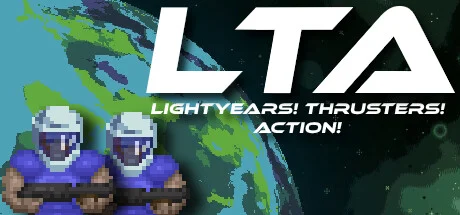
LTA: Light-years! Thrusters! Action!: The Solo-Built Space Sandbox Where the Galaxy Writes Its Own History
What would FTL look like if the ships could actually fly? Solo developer Nikolai of Cubic Pie on dynasties, emergent disasters and 15 patches in one Next Fest.
Most space games ask the player to conquer a galaxy. LTA: Light-years! Thrusters! Action! starts from the opposite premise: the galaxy already has its own history, its own dynasties and its own wars, and the player is just one ship moving through it. That galaxy does not wait for anyone, and on paper that is the game’s central hook.
The project is the work of a single developer, Nikolai of Cubic Pie, and it began much smaller. In 2023 it was a 2D arena about ships fighting under gravity. Three years later, the Steam page describes a space roguelite sandbox built around a captain and a crew, with trading, combat, base building and mining layered on top of a procedurally generated history. The official materials frame it with three reference points: the freedom of Sid Meier’s Pirates!, the wild stories of RimWorld, and the hard choices of FTL.
That combination is ambitious for a team of any size. For a solo developer working one commit at a time, it is a case study in how systemic games actually get built. We asked him how it fits together.
Developer: Cubic Pie (solo developer Nikolai)
Location: Not stated (Russian-speaking developer)
Release: Early access planned “in a few months,” according to the developer; Steam lists the game as “Coming soon.” Free demo available now.
Price: Not yet announced
Platforms: PC (Windows), Steam
What Is LTA: Light-years! Thrusters! Action!?
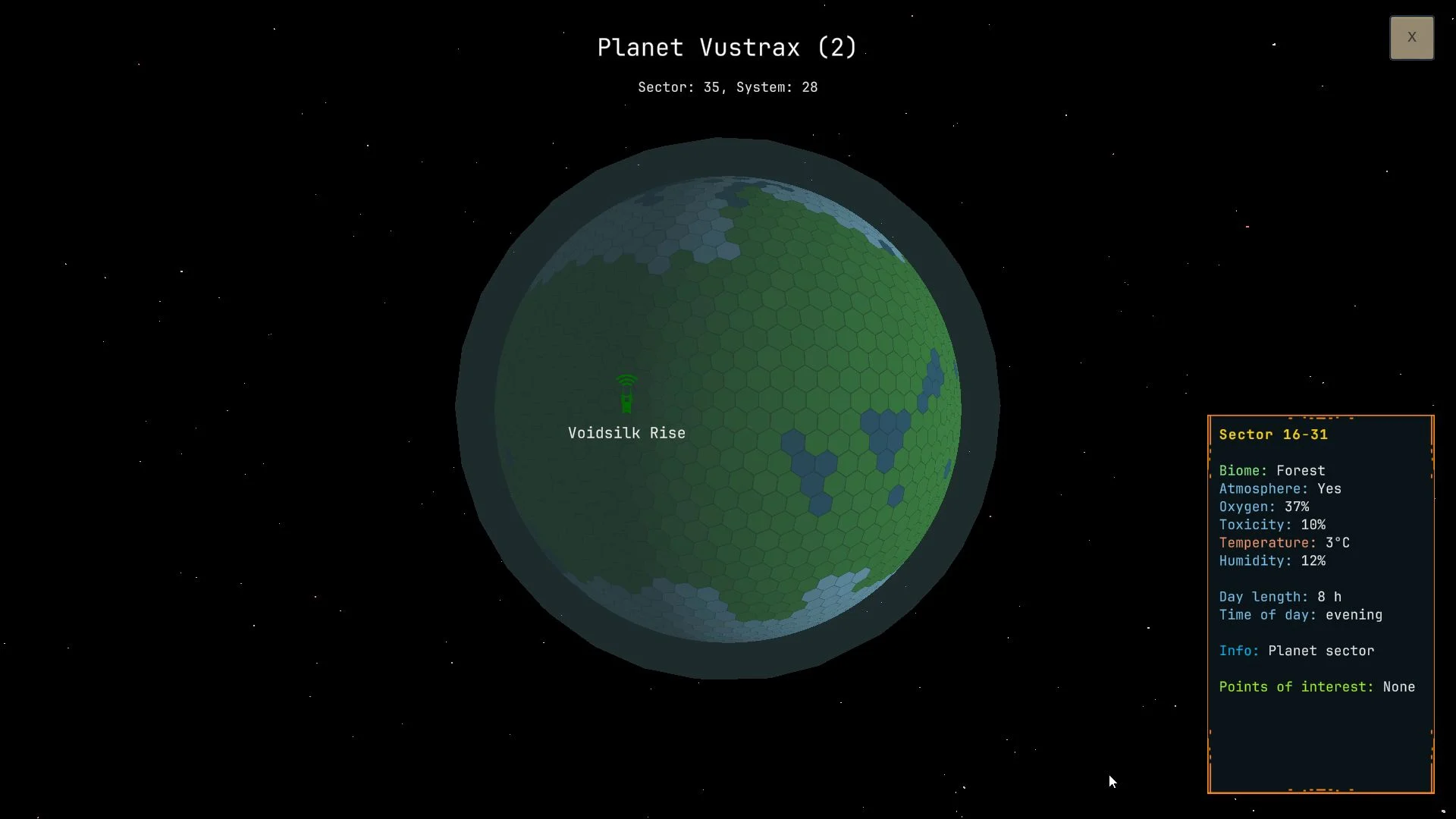
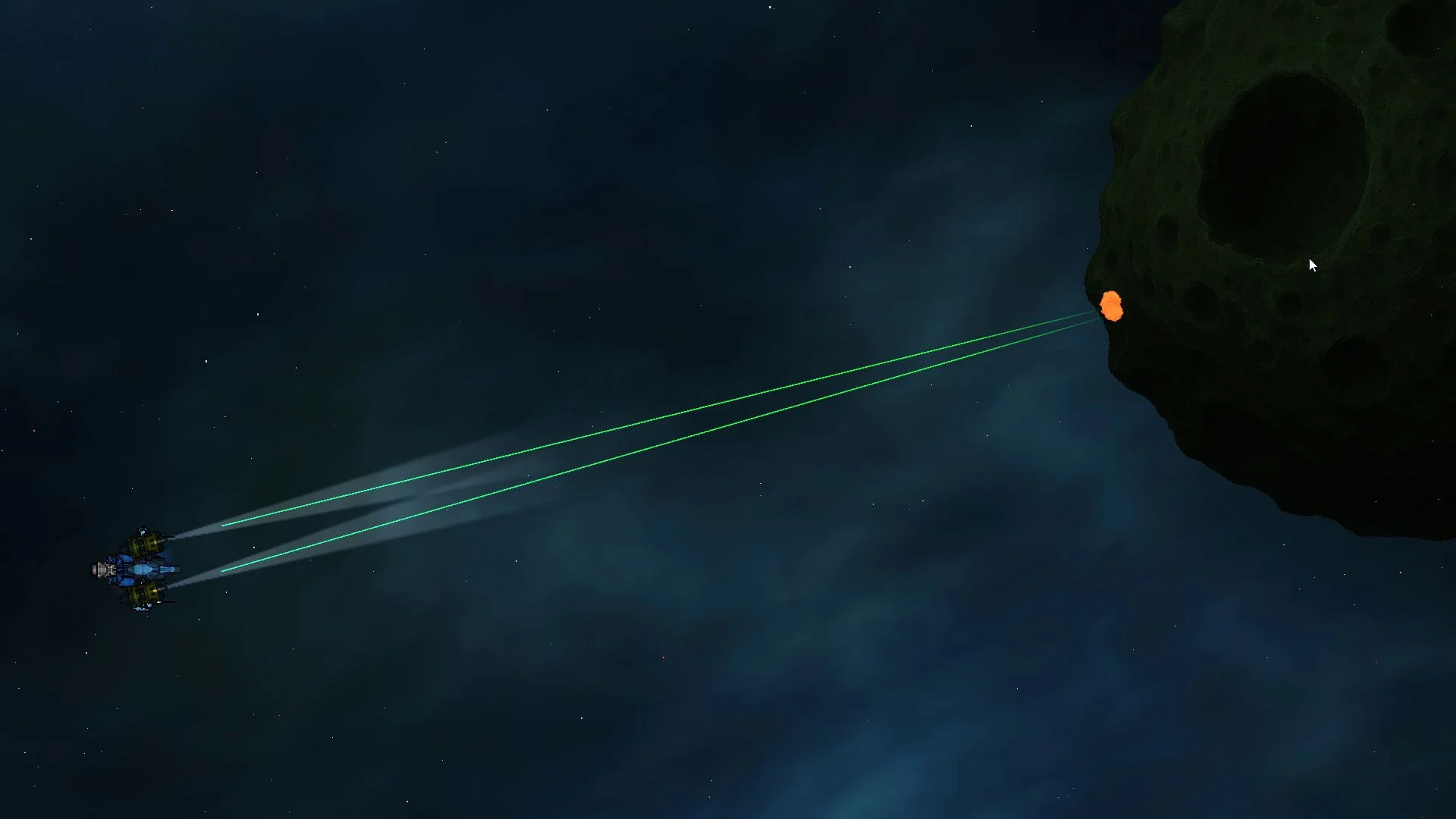
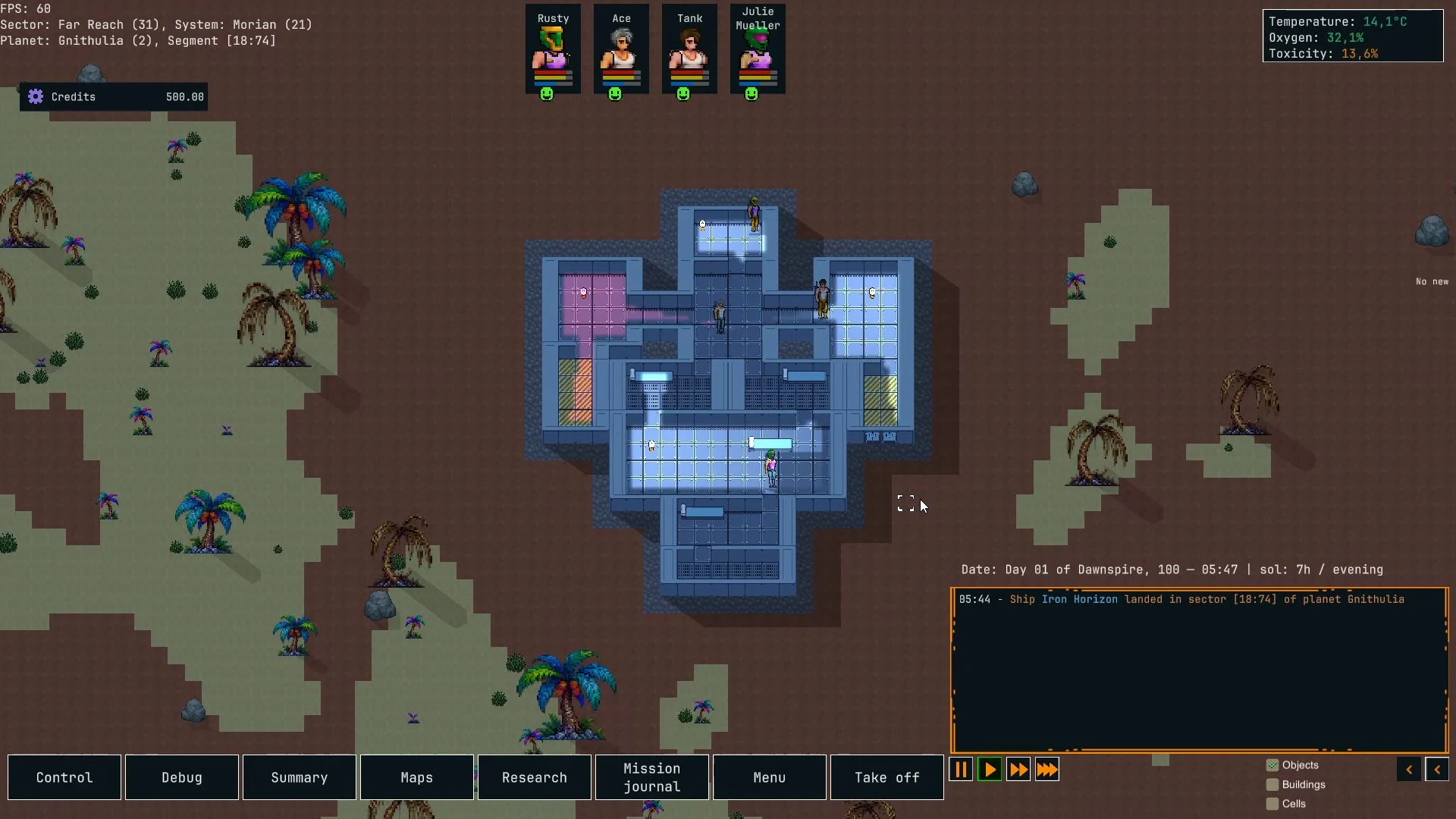
According to the Steam page and the Cubic Pie site, every run begins in a freshly generated galaxy with its own nations, alliances and rivalries. The player can trade cargo between systems and profit from other people’s conflicts, fight or pick a side, settle planets and turn them into bases, and mine the resources the ship and crew depend on.
The crew is the structural center. Each member has needs, and the store page is blunt about it: tired, hungry, unhappy people don’t work well. A run continues as long as at least one crew member is alive. If everyone dies, the player can assemble a new crew, fit out a new ship and continue in the same galaxy. The developer’s fact sheet lists the game as being built in Unity, with English and Russian language support.
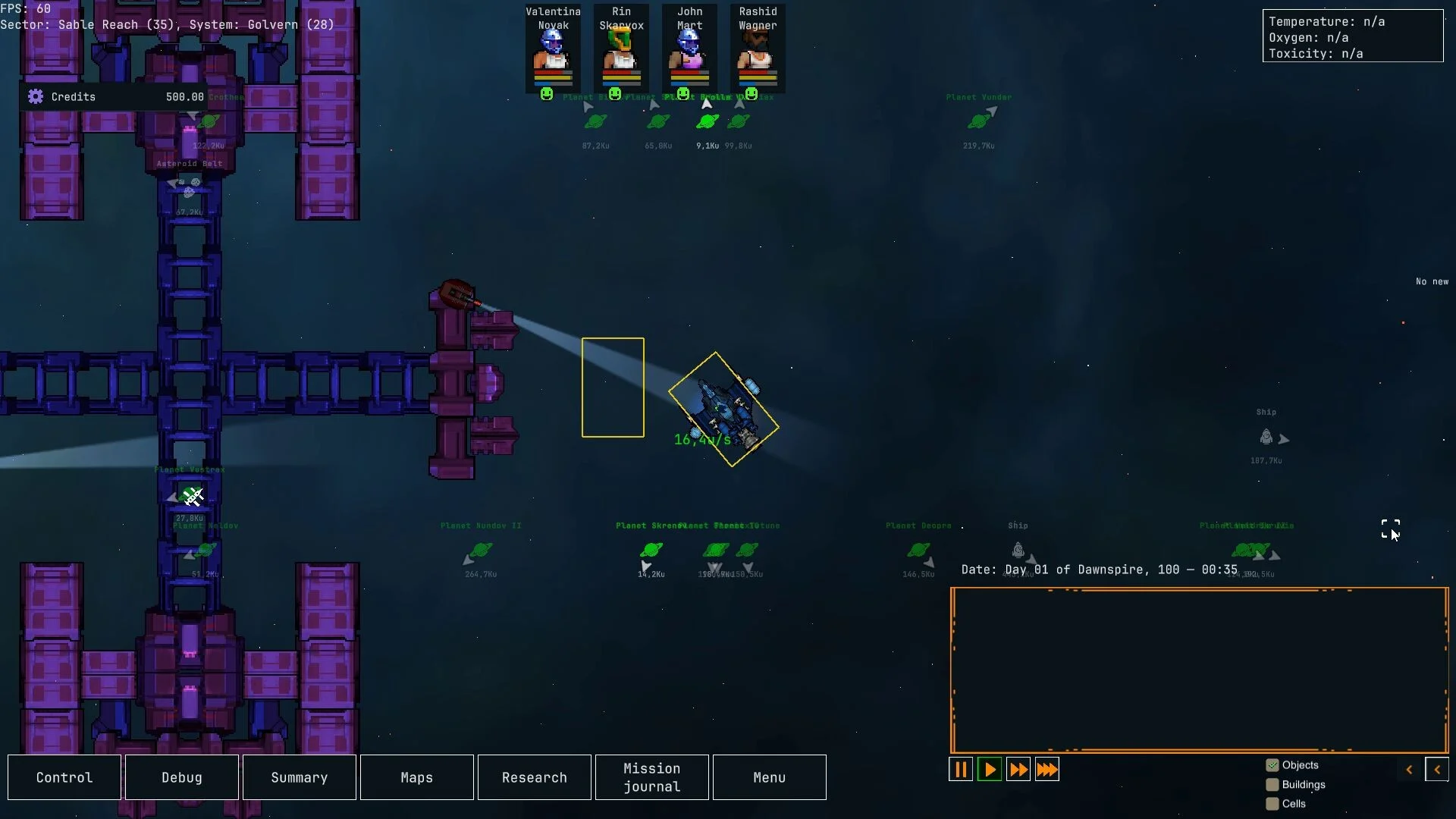
That design places LTA in an unusual spot. It borrows the crew simulation and emergent storytelling of colony sims, but puts them inside a ship that has to fly, fight and land in a physics-driven space. For players, the appeal is the stories. For more systems-minded players, the more interesting question is how those layers talk to each other.
The Interview
Iron Bridge Games: The project started a few years ago. Where did it begin?
Nikolai: It all started as a small experiment. In 2023 I made a prototype called LTA: Lights! Thrusters! Action!. It was a simple 2D arena with space battles in generated star systems, where ships moved under gravity. I posted the first version on itch.io in November 2023, almost exactly three years ago. I wanted to see how enjoyable it would be to simply fly and fight with that kind of physics.
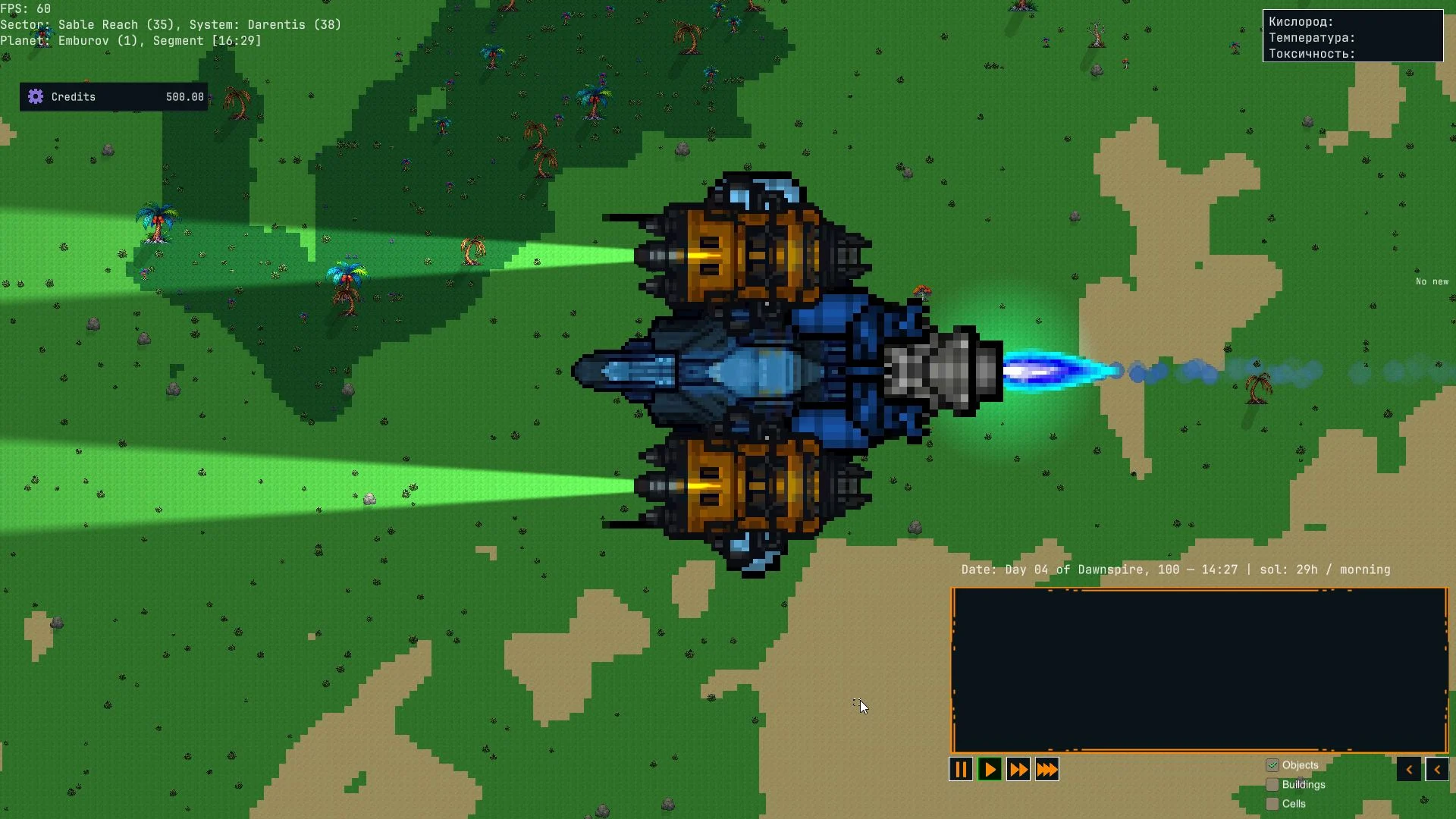
Then I gradually started adding mechanics, inspired by games I love: RimWorld, Dwarf Fortress. What hooks me most about them is how different systems interact and produce situations nobody planned in advance. First the game got characters, then small interactions between them and the ship, then planet surfaces, and finally the history of the world. The game is still very far from finished, but the outlines of what I’m aiming for are already starting to show.
Iron Bridge Games: You cite Pirates!, RimWorld and FTL. How do you combine that many inspirations without losing focus?
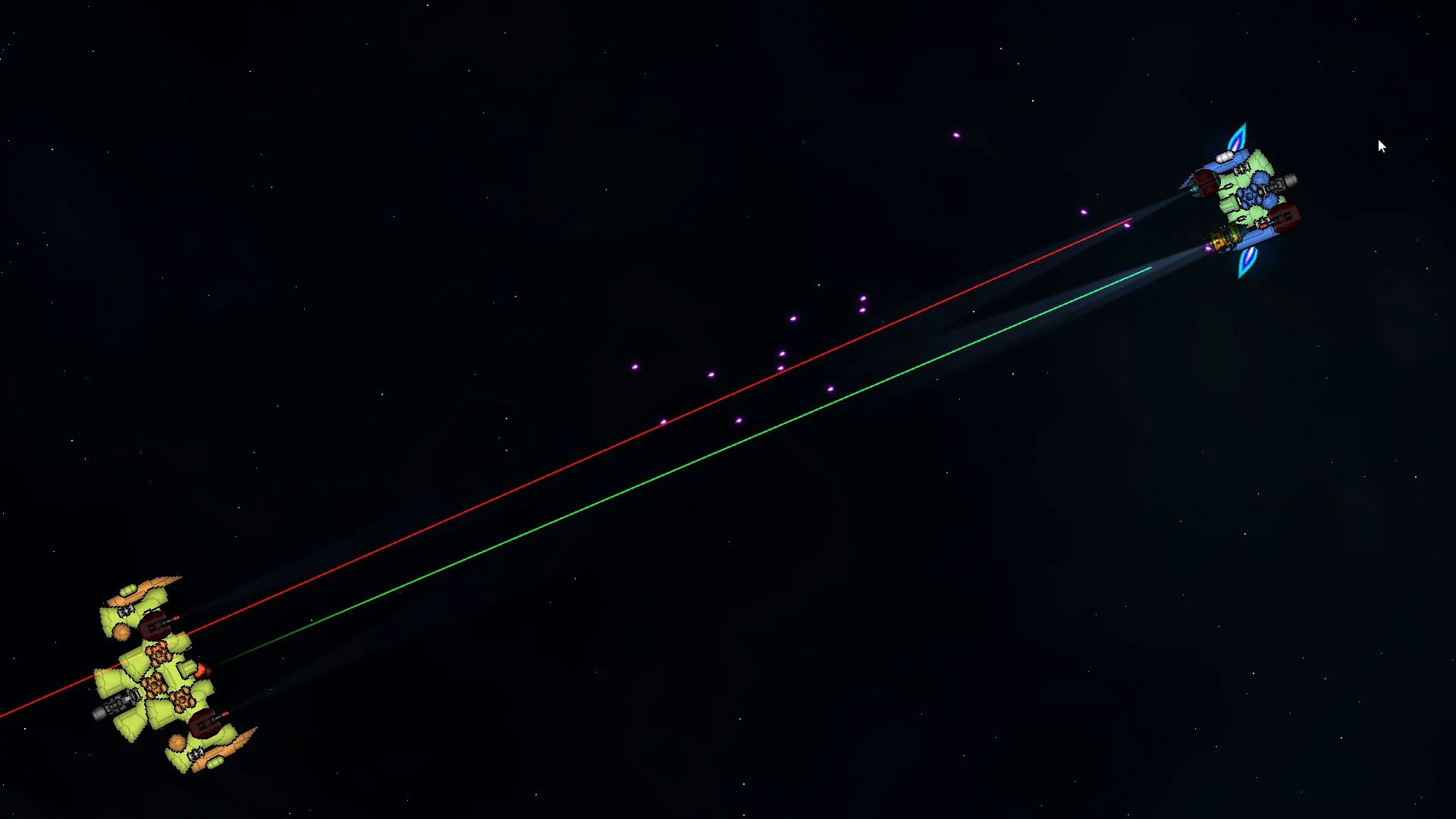
Nikolai: Nothing constrains me in development, so I can add mechanics simply out of curiosity, to see how they work. For example, the crew inside the ship came from a simple question: what would FTL be like if the ships didn’t just sit facing each other, but maneuvered freely through space and obeyed the physics of the world?
Focus comes from testing things in practice. Some ideas seemed really cool at first, but I never figured out how to make them interesting in the game. For example, early on LTA was much harder: almost everything killed the player, and the ship could only be flown manually. On paper it looked like real hardcore that challenges the player. In practice nobody understood it, and I simplified the game. Now there is one main test for any mechanic: is it interesting to play with, not just does it sound good.
Iron Bridge Games: How does the galaxy’s history generation work?
Nikolai: Before the game starts, the player sets up the galaxy: how many stars, how many planets and so on. They also choose the age of the world, meaning how many steps the history generator will run.
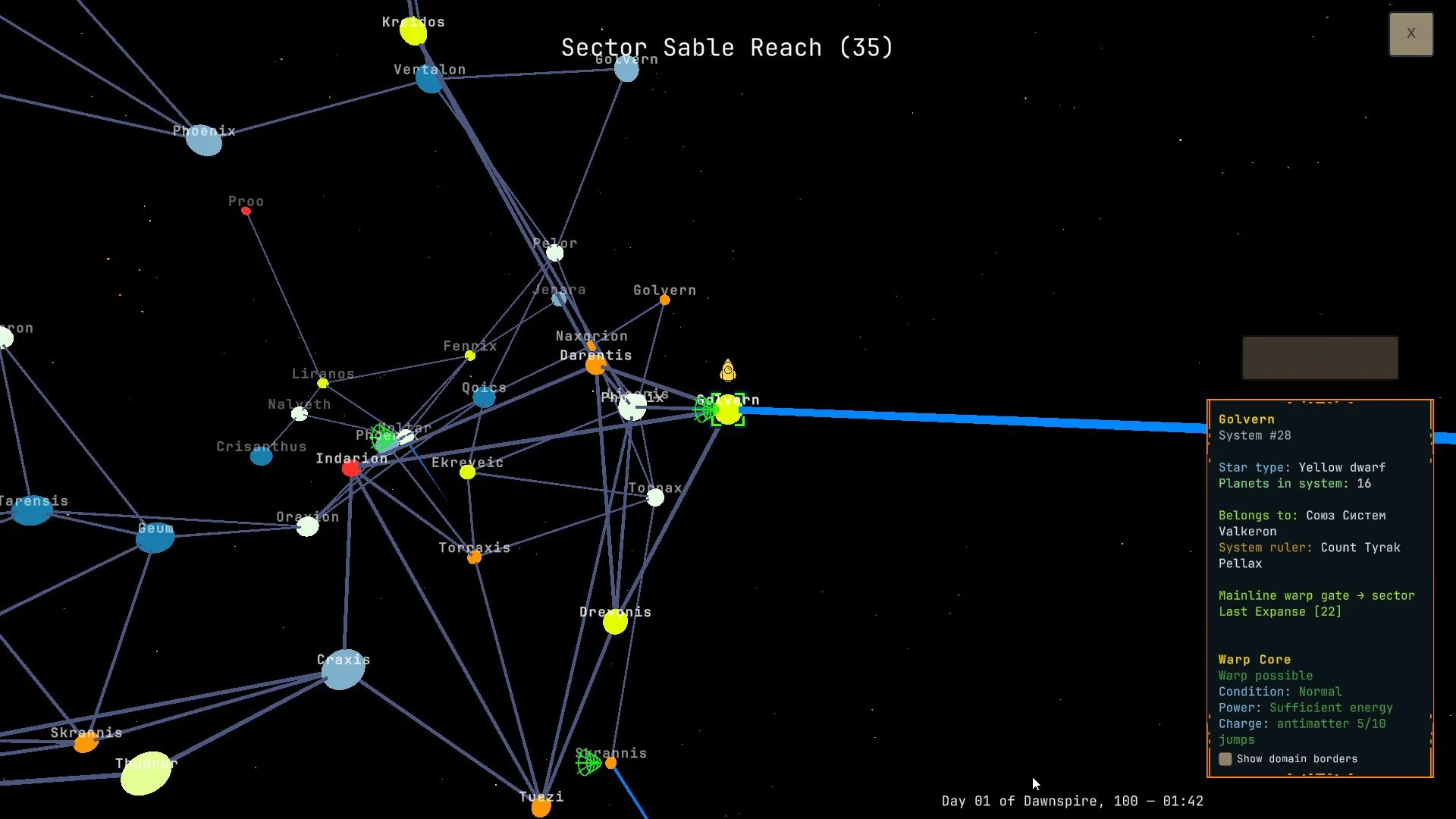
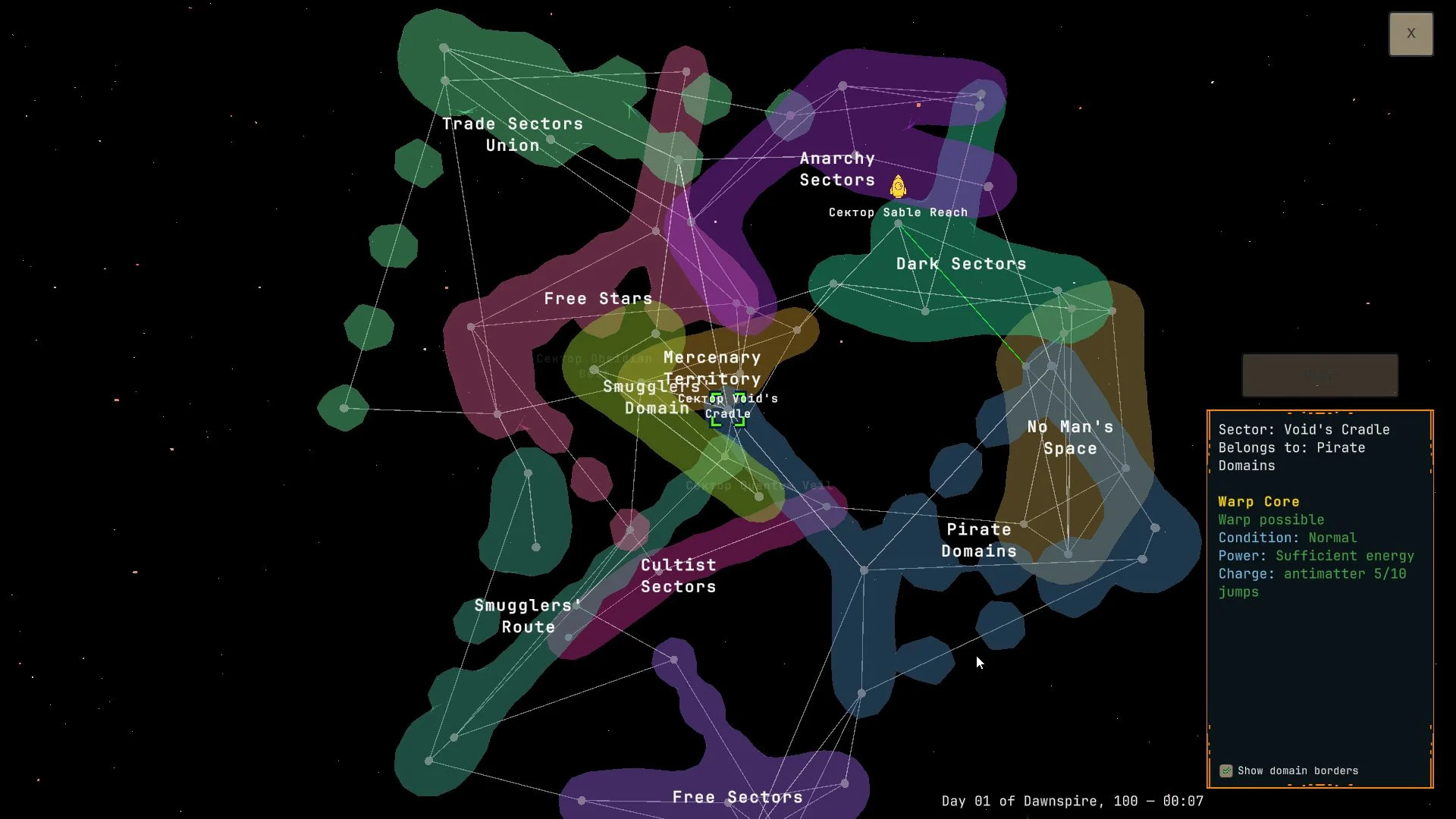
The galaxy is made of sectors, and sectors are made of star systems connected by main jump routes. All the known systems and routes together form the world available to the player. During generation, rulers, states, fleets and historical figures appear. Step by step they fight each other, build settlements, wage wars of conquest and develop their dynasties. I borrowed that idea from Crusader Kings 3. Dynasties fight for control of sectors, and the shape of the world comes out of their rivalry.
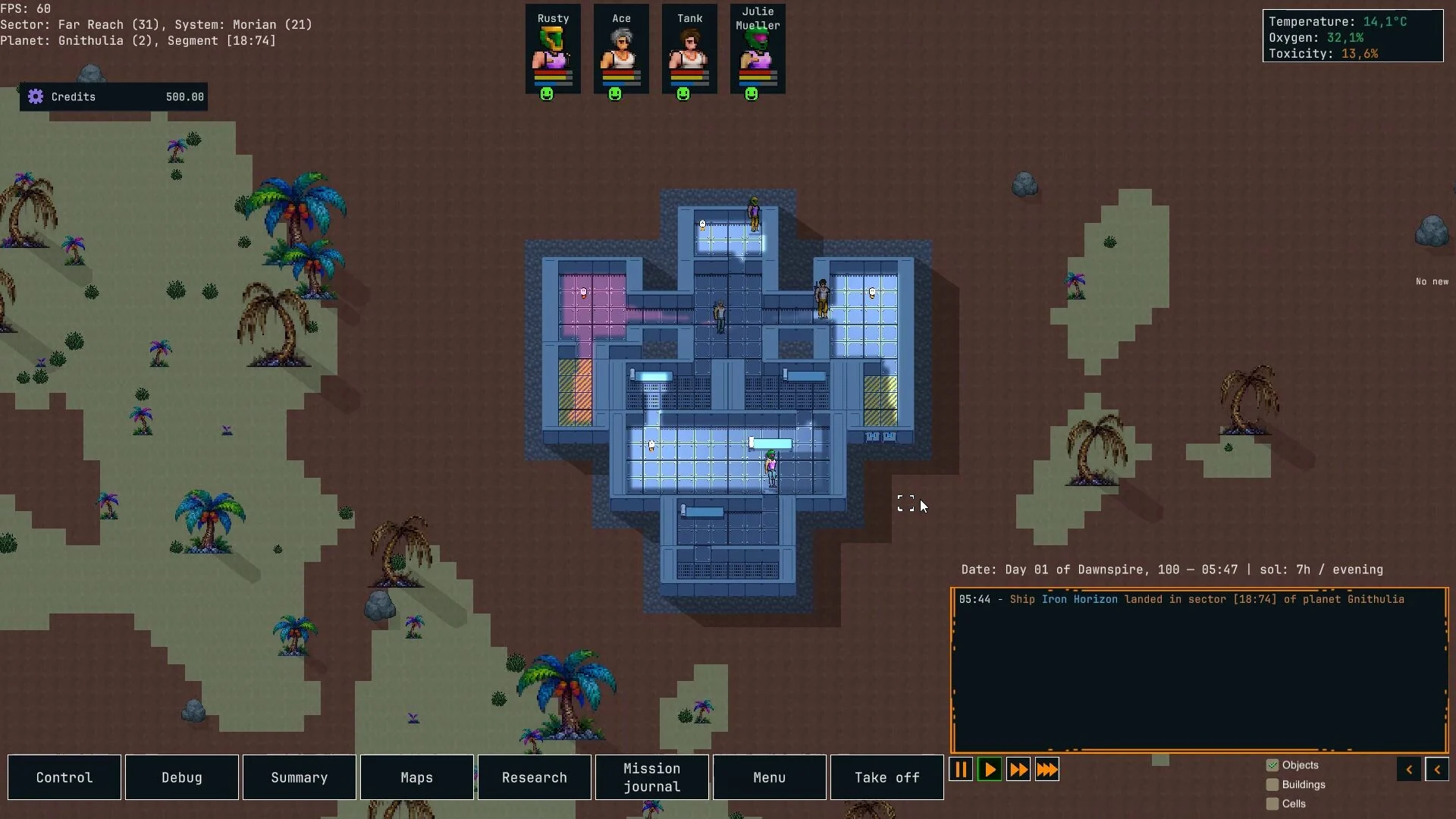
History doesn’t stop when the game begins. The generator keeps running during play, whenever a certain amount of in-game time passes. So the player can suddenly find themselves in the middle of a conflict, because a war has just broken out over the sector they happen to be in. The generated historical figures also live and fly in the same space as the player. The mechanics of power and succession are universal across the whole galaxy, so in the future the player will be able to reach kings and dukes, carry out their orders, or even overthrow one of them and take their place in the hierarchy. That part specifically isn’t implemented yet, but the foundation is already in place.
You can also find books in the game about the great deeds of the past. They are written from events that actually happened in the history of that particular galaxy.
Iron Bridge Games: What is the most unexpected story a player has come away with so far?
Nikolai: Not many people have played the demo yet, and most stories follow a similar scenario. But that scenario shows well how the mechanics hook into each other.
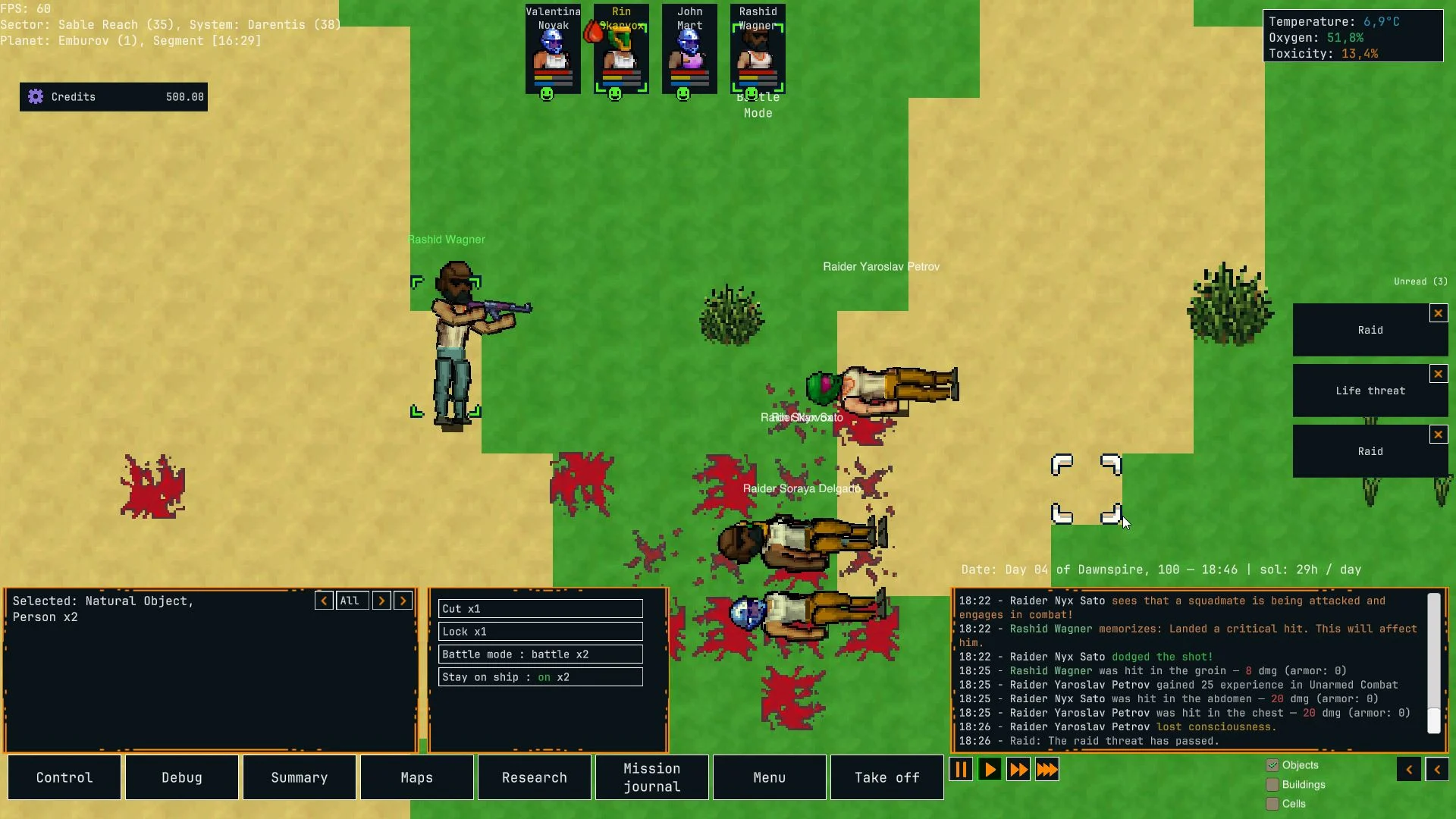
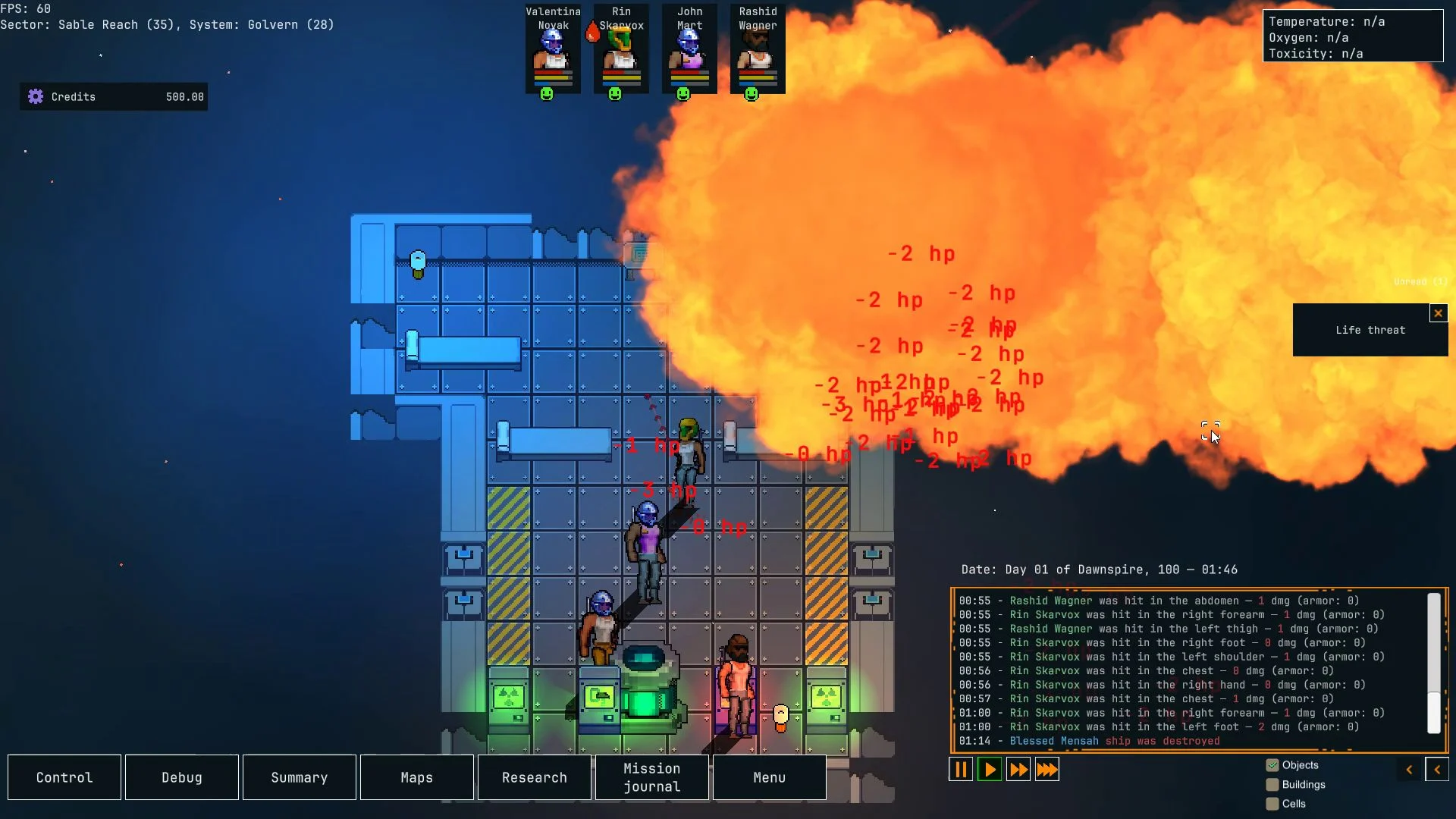
The player completes a couple of delivery jobs, gets bolder, and takes a contract to eliminate a target somewhere on a remote planet. They arrive unprepared, and the crew gets badly beaten up in the fight: someone is poisoned by the toxic atmosphere, someone is bleeding from their wounds. The player tries to stop the bleeding, but their medical skills aren’t good enough, and one of the crew dies. The rest have a mental breakdown, and in a rage they start smashing up the ship from the inside. The toxic air breaks in, and nobody is ever flying out of there.
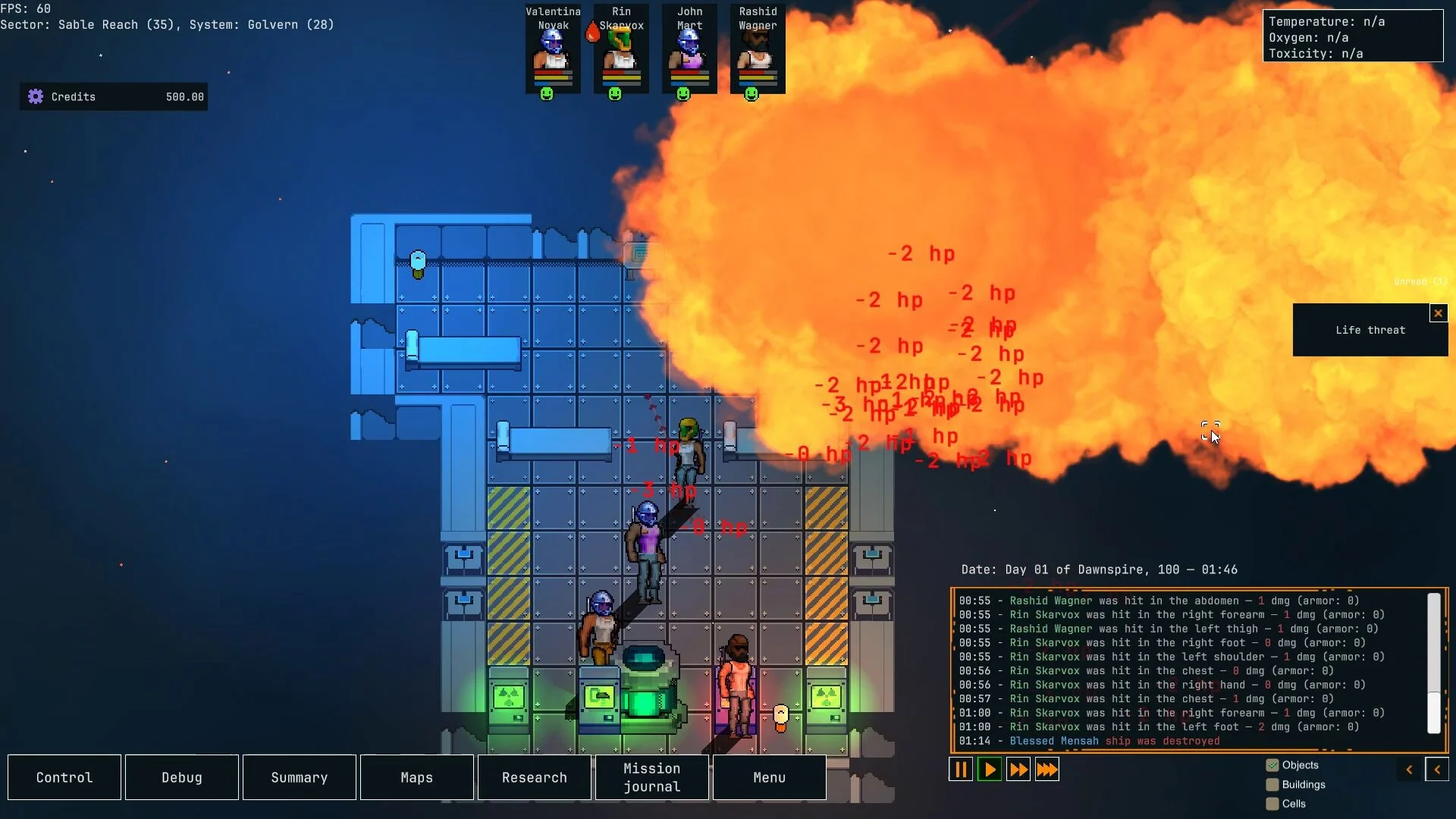
But the game doesn’t end there. You can always hire a new crew, and the world remembers everything the player did in it. You can even go back to that same planet and find your old ship where the previous crew’s journey ended.
None of those steps was scripted. Each one grew out of the one before it, and stories like that are exactly why I’m making this game.
Iron Bridge Games: What is it like building a project of this scope on your own?
Nikolai: The main thing for me is not to leave the project for long. I try to make at least one commit every day and add something to the game, even something very small. Over time, those small steps add up to a big game.
The hardest part is probably finding or making the right assets. I’m not an artist, but sometimes I have to draw things myself when there’s nothing suitable on the asset stores.
My day job is in game development too, and I genuinely love games. I think that’s what helps me stay focused.
Iron Bridge Games: What are your plans for release?
Nikolai: I plan to release the game in early access in a few months. Steam Next Fest largely made that decision for me: it showed how much faster a game develops when people are playing it, compared with developing it in a vacuum.
By the start of the festival I had released a demo I wasn’t very happy with myself. I was rushing to hit the deadline, and it still had bugs I hadn’t had time to find and fix. But during the festival I released around 15 patches and noticeably improved almost everything, from the tutorial to the balance. Player feedback gives development an incredible push and becomes a source of new ideas. Early access exists precisely so I can keep developing the game together with players.
The demo is already available on Steam, so you can try the game right now. I’ll be glad to hear any feedback. And if the game interests you, add it to your wishlist: for a small independent project, that matters a lot.
What Comes Next
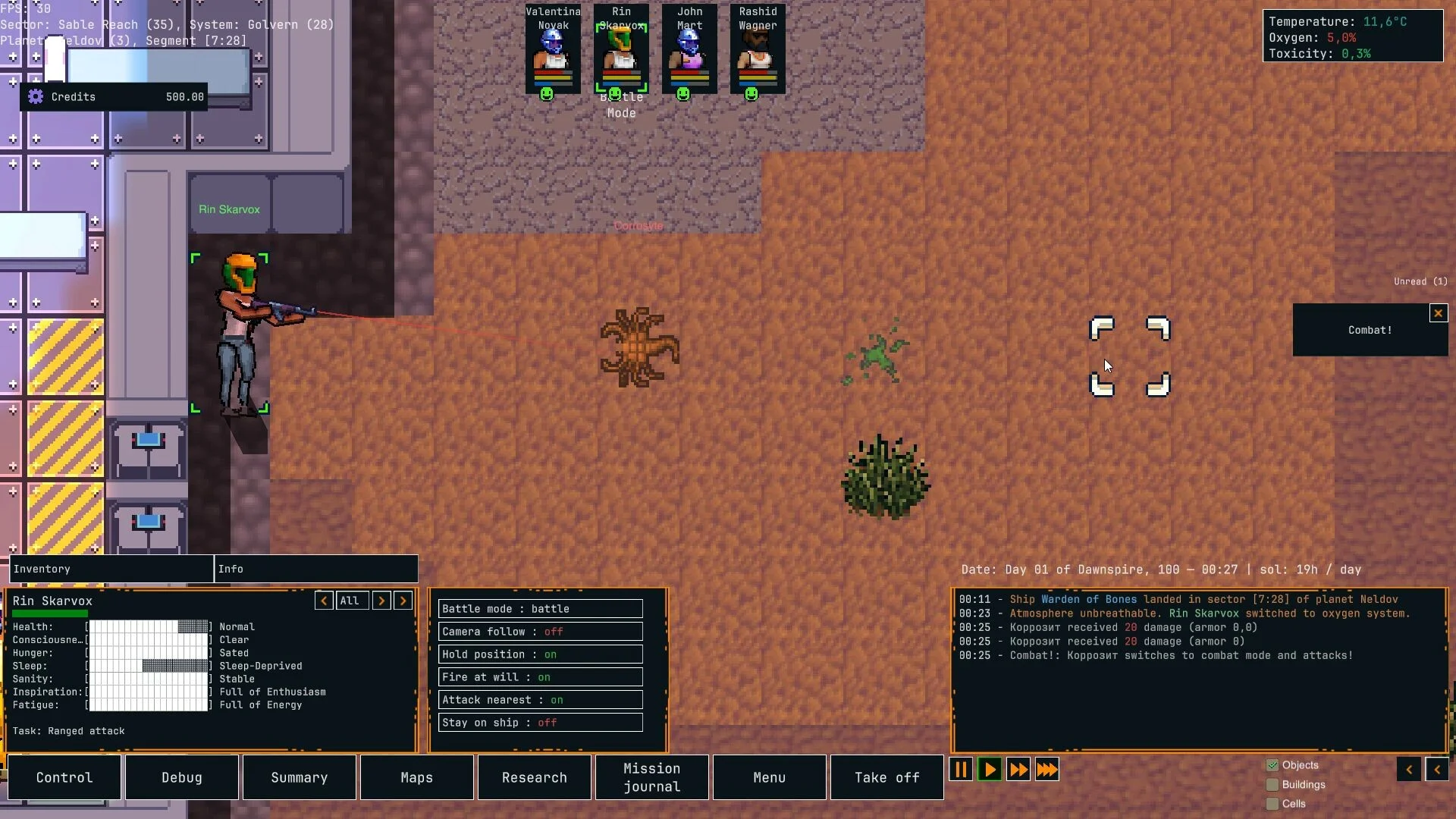
The confirmed facts are straightforward. The free demo is live on Steam, the store page lists the full game as “Coming soon,” and the developer told us he plans an early access launch in a few months. No price or date has been announced. Several systems he describes, most notably the ability to serve, overthrow and replace the galaxy’s kings and dukes, are explicitly not implemented yet; he describes the foundation for them as being in place.
For players, the most useful detail may be the one about difficulty. The early version of LTA killed the player with almost everything and required fully manual flight, and Nikolai says nobody understood it. The current direction is to judge each mechanic by whether it is interesting to play rather than how it sounds. That distinction matters for a game whose appeal depends on failure being readable, because a crew that dies for reasons the player cannot follow is not a story. It is just a loss.
For developers, LTA is a case study in two things. The first is scope through accumulation: a gravity-physics prototype posted to itch.io in November 2023, extended one daily commit at a time into characters, planet surfaces and a generated history. The second is Steam Next Fest used as a development tool rather than only a marketing beat. Around 15 patches during a single festival is an unusually concrete account of how a public demo can change a game’s direction, and it is the reason Nikolai gives for choosing early access.
The game’s own subtitle also tells the story of the project. The 2023 prototype was Lights! Thrusters! Action!. The game on Steam is Light-years! Thrusters! Action!. The arena became a galaxy.
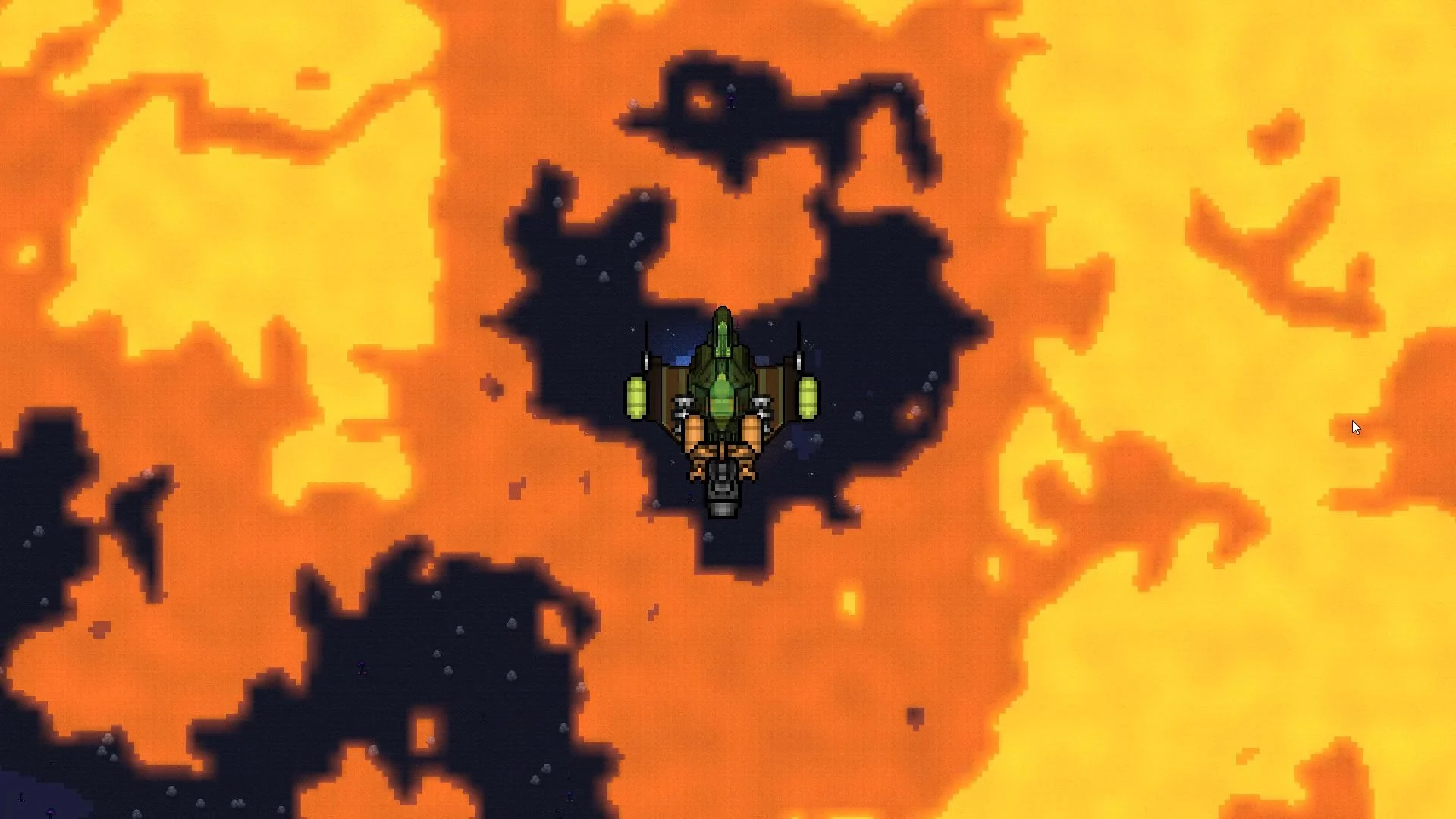
Screenshots From the Developer
Links
- LTA: Light-years! Thrusters! Action! on Steam (free demo)
- Official page at Cubic Pie
- Trailer on YouTube
- Discord
Answers were translated from Russian.